Conversion & projects
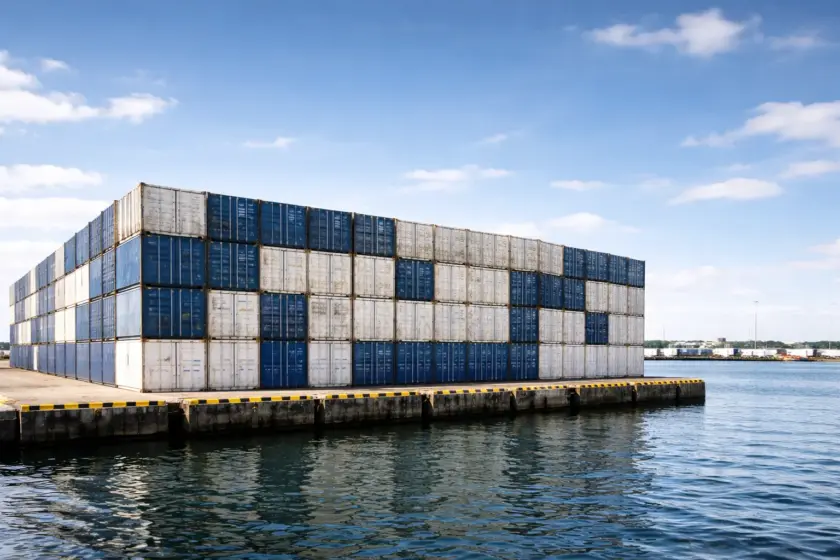
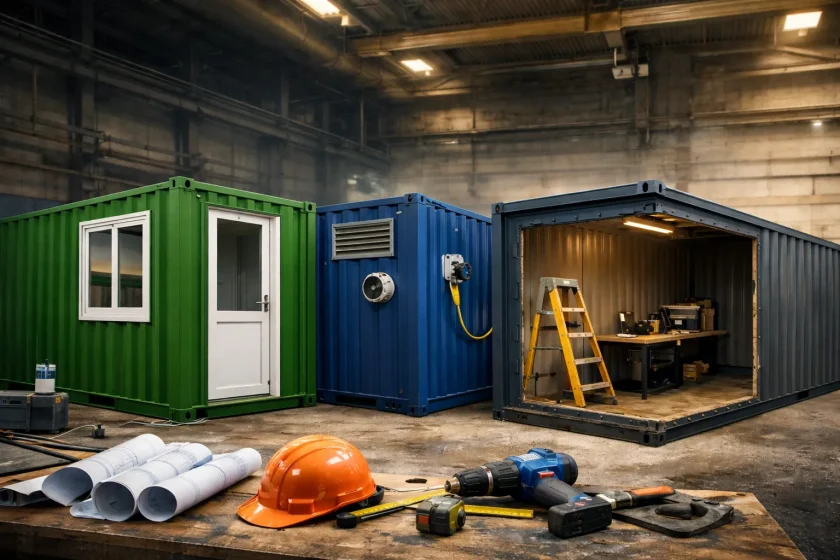
Shipping containers have long been more than mere storage or transport units. Creative projects around the world show just how versatile containers really are. From living spaces to cafés to urban gardens: if you think flexibly about containers, you can create extraordinary spaces, whether private or commercial. Here are 10 exciting projects that show how containers push the boundaries of conventional use.
Why containers work so well for creative projects
Containers are standardised, robust and available worldwide. That is exactly why they are perfectly suited to modular projects. They can be planned, transported, combined and stacked. With the right conversion they become comfortable, technically high-quality spaces.
Anyone who wants to carry out a project usually needs three things:
-
the right container type,
-
suitable equipment or modifications,
-
reliable logistics to the installation site.
In the container shop you will also find various container types and sizes. If needed, we also support you with conversions and custom solutions – including transport service.
5 special container projects worldwide – plus 3 projects by Coin Container
1) Brand architecture made of steel: the FREITAG Tower (Zurich)
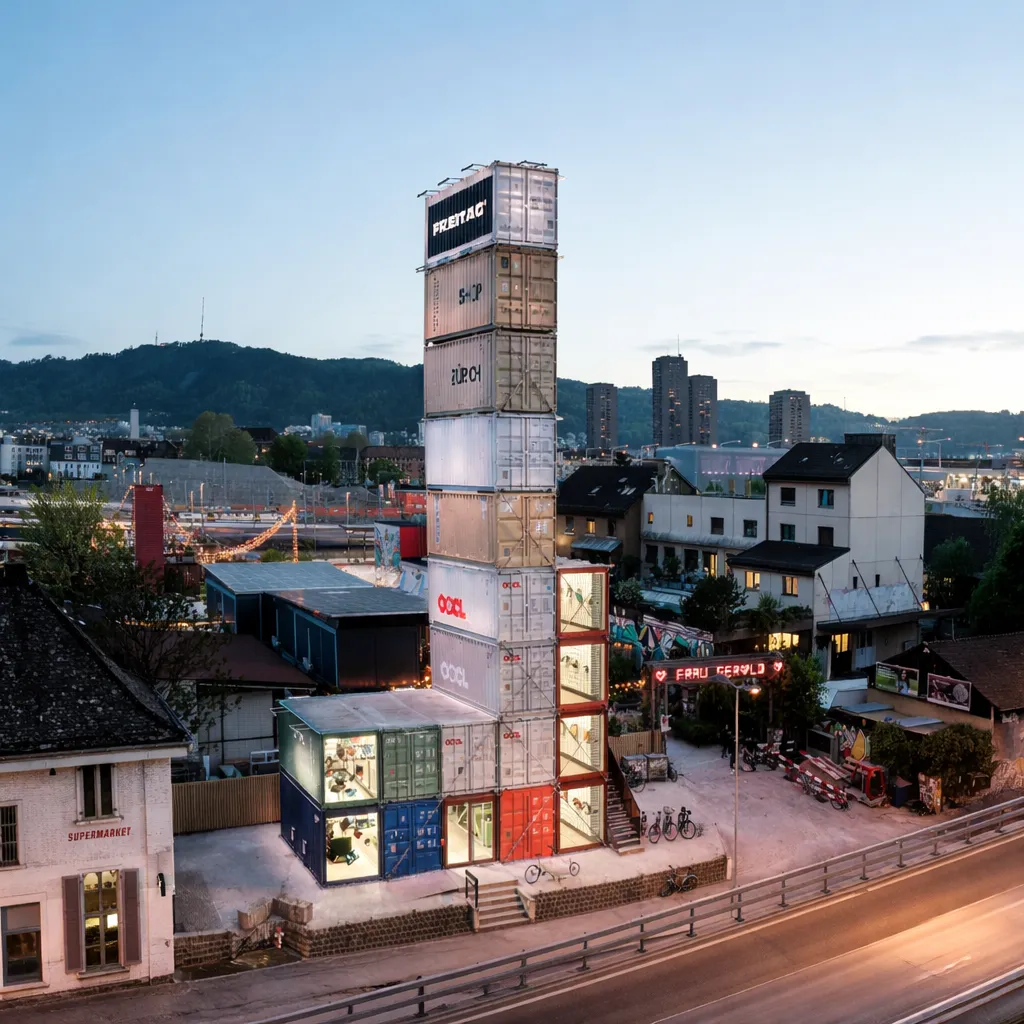
The FREITAG Tower near the Hardbrücke in Zurich is an iconic example of container architecture: 19 stacked freight containers rise 26 metres into the sky. The containers were selected in Hamburg and transported by rail to Zurich – in keeping with the idea of reuse and recycling that FREITAG stands for.
The tower is open to visitors and combines architecture with function: an exceptionally large selection of bags is displayed on several levels, and the top offers a view over the changing industrial district around the Viadukt, with its urban restaurants and creative spaces.
In brief: Containers are ideally suited to flagship spaces, showrooms or brand experiences, especially when an "industrial look" is wanted.
2) Container farming: indoor cultivation in a 40 ft container (Freight Farms)
Container farming describes indoor agriculture in a small space, in which 40 ft container are used as closed farm modules. Inside, cultivation is hydroponic, often vertically organised, with climate control and grow lights, so that production can run largely independently of weather and season .
The advantage lies in practical use: the format is particularly suitable for urban locations with limited space. At the same time, it remains transportable, because it is based on container standards , and can be expanded modularlyby adding more farm containers.
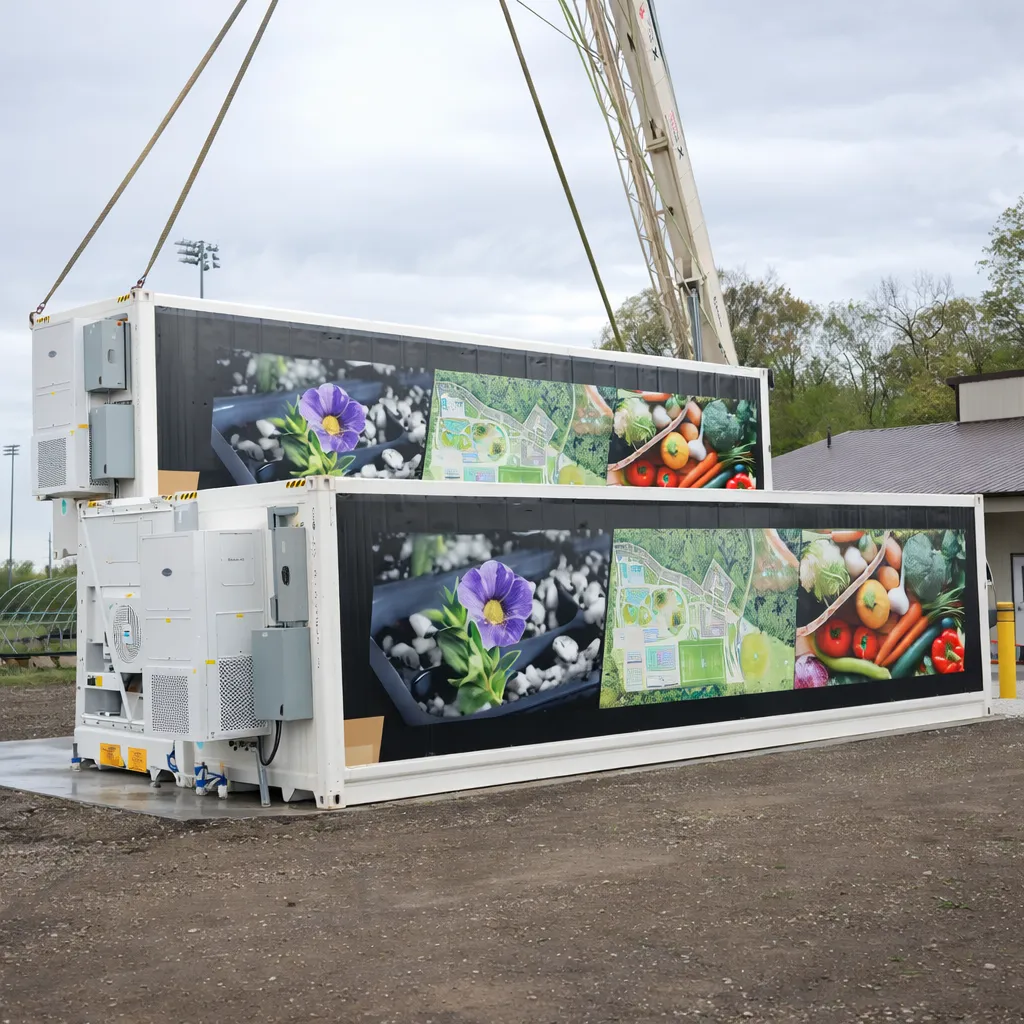
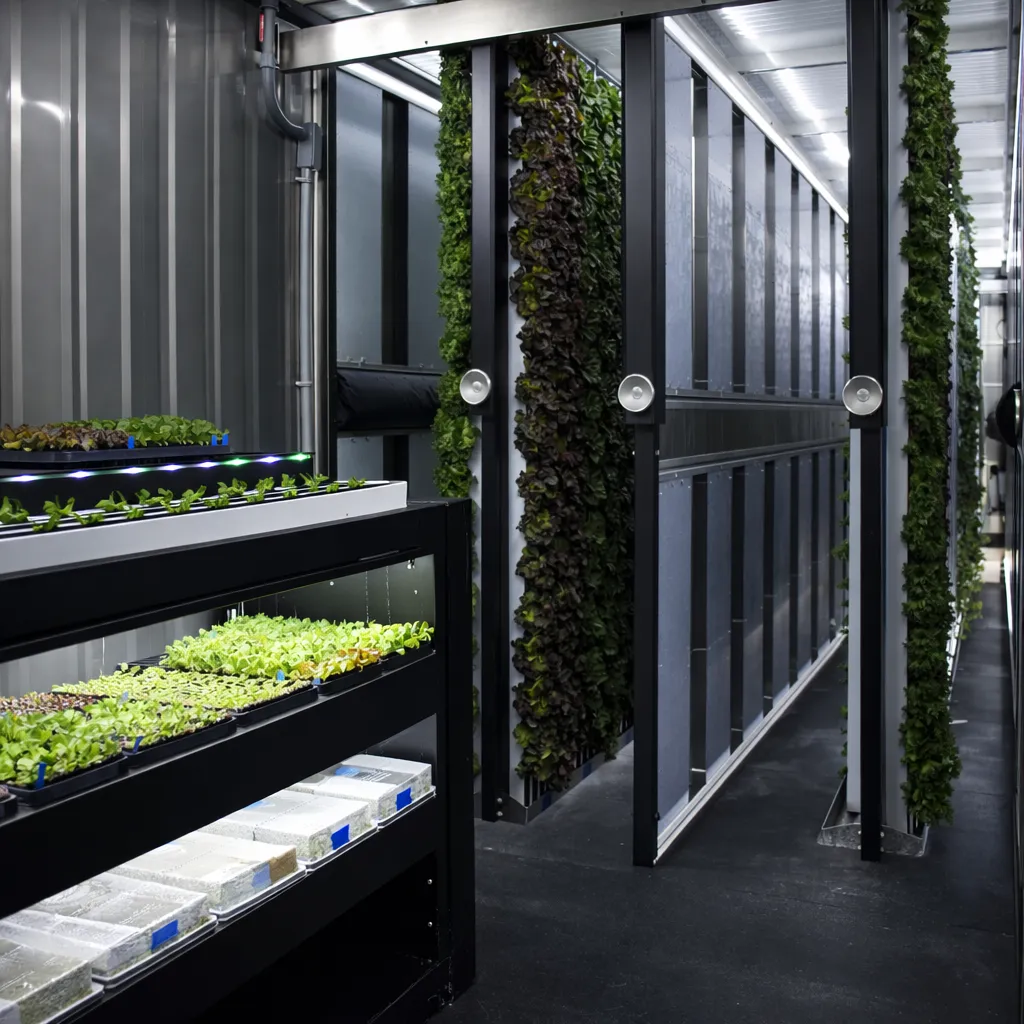
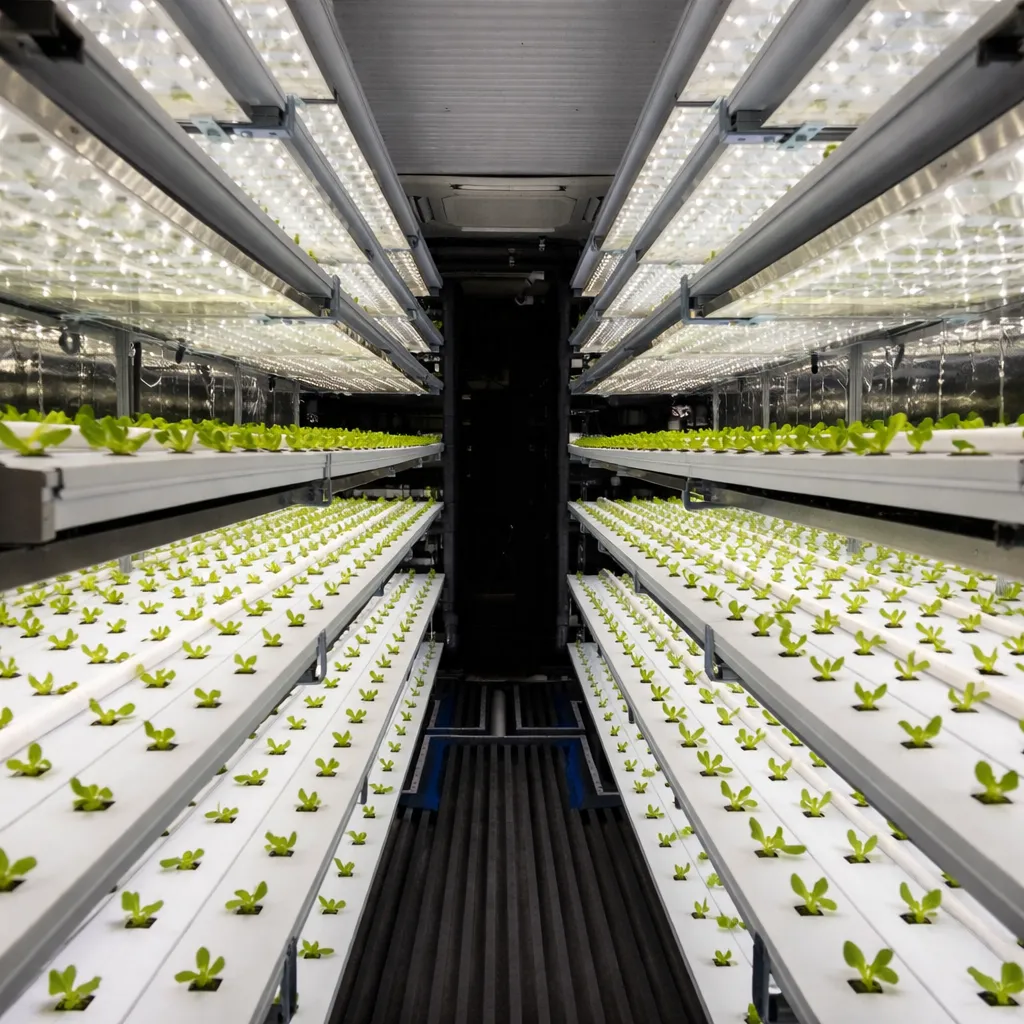
In brief: Container farming shows shipping containers as climate-controlled production spaces – space-saving, mobile and scalable.
3) Pop-up mall made of containers: retail in modular form (London)
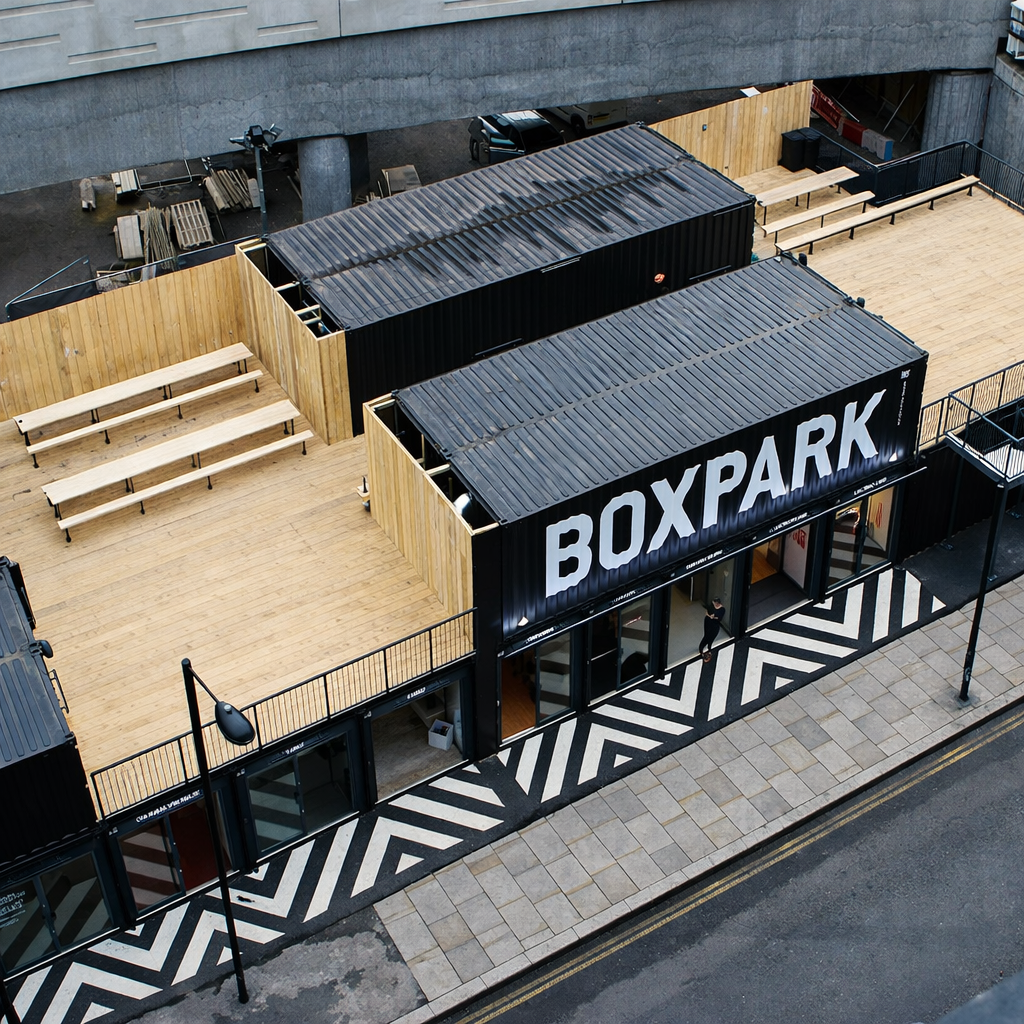
BOXPARK in Shoreditch has shown how shipping containers can be used as an urban retail and food format: shops, food concepts and smaller event areas are bundled in container units. This creates a lively place that can be activated quickly. In addition, spaces can be adapted relatively easily. Tenants and concepts therefore change more quickly. The advantage lies in the dynamism: spaces can be adapted relatively easily, tenants and concepts change more quickly, and the entire site remains adaptable – ideal for pop-up formats, new brands and seasonal ideas.
At the same time, the container look works as a deliberate stylistic device: industrial, modern and clearly recognisable – a format that attracts attention without requiring complex building structures.
In brief: BOXPARK is a prime example of how containers create flexible retail and food spaces – quick to curate, modularly expandable and with a strong visual presence.
4) Container hotels: compact, private, scalable (Japan)
HOTEL R9 The Yard represents a hotel concept based on individual container modules. Instead of one large building, many independent units are created. These can be planned and expanded like building blocks. This quickly creates new capacity. It is particularly interesting where flexibility matters more than prestigious architecture.
For guests, this often means more privacy (separate room module), and for operators a system that is easier to scale – depending on location, demand and concept.
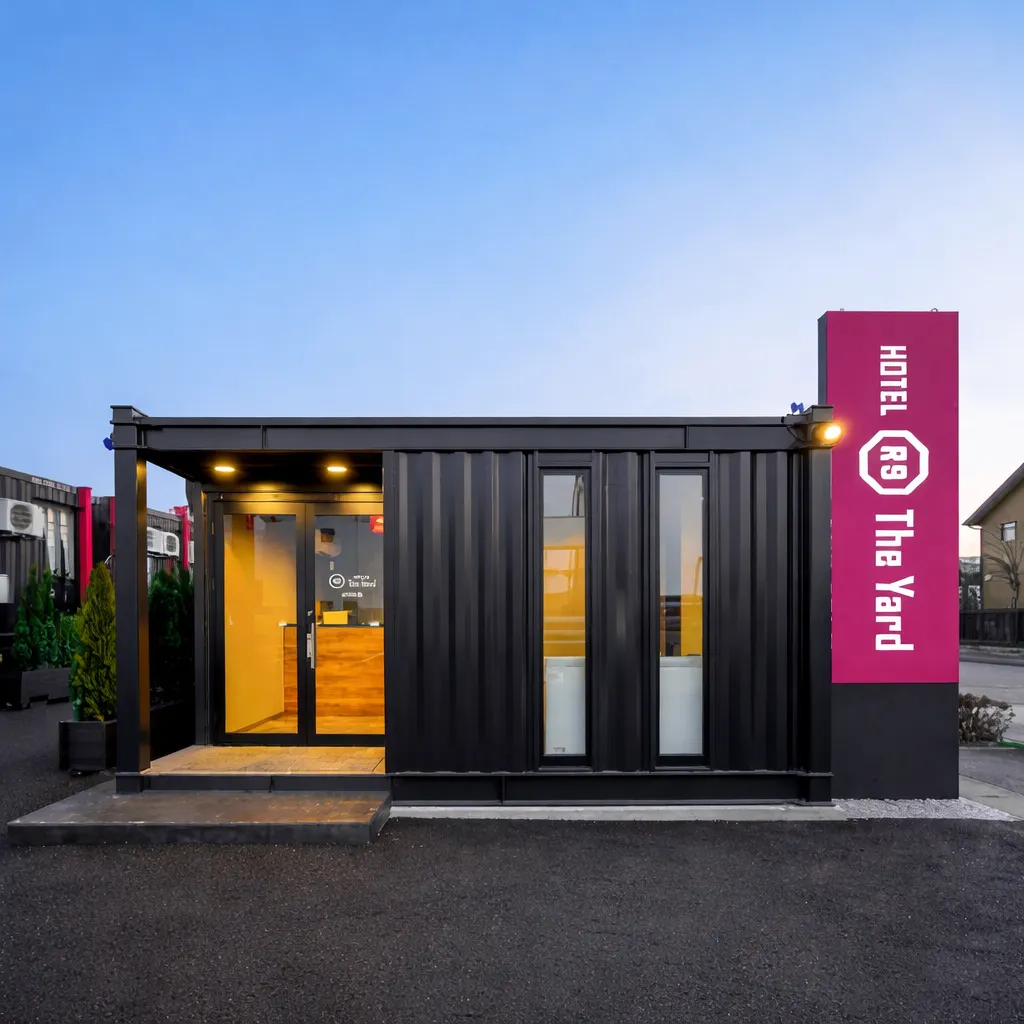
In brief: A strong example of how containers enable a functional, expandable hotel model through modularity and repeatability.
5) Re:START: container mall as a quick fresh start after the earthquake (New Zealand)
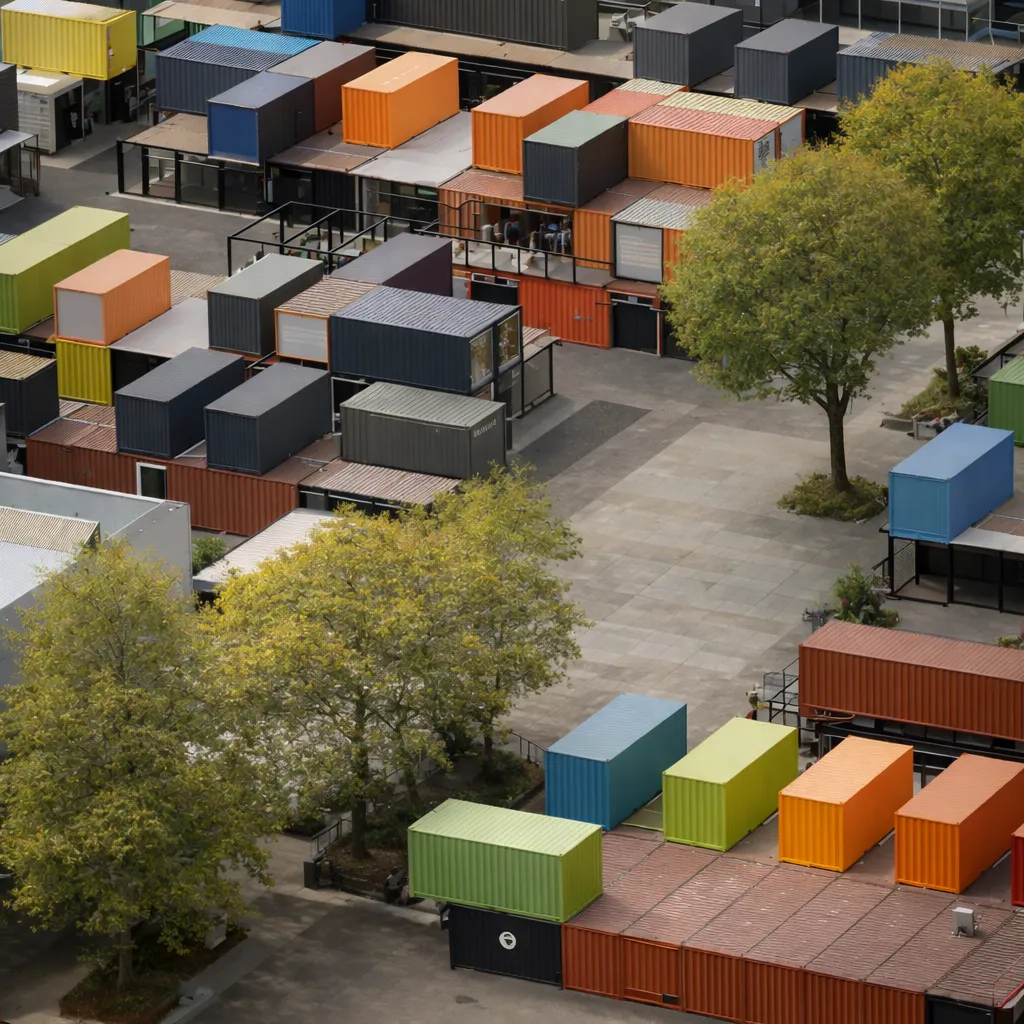
Re:START was a temporary shopping street made of converted shipping containers (some of them brightly painted), which emerged after the severe earthquake in February 2011 . The containers once again housed Shops, cafés and small boutiques/
Originally intended as a temporary solution, Re:START quickly became a crowd-puller and remained in operation until 31.01.2018 . To this day, the place symbolises resilience and the fact that containers not only transport goods, but in crises can also serve as functional urban infrastructure .
In brief: Re:START presents containers as a fast, modular reconstruction solution – practical, mobile and emotionally powerful as a symbol of a new beginning.
Our projects:
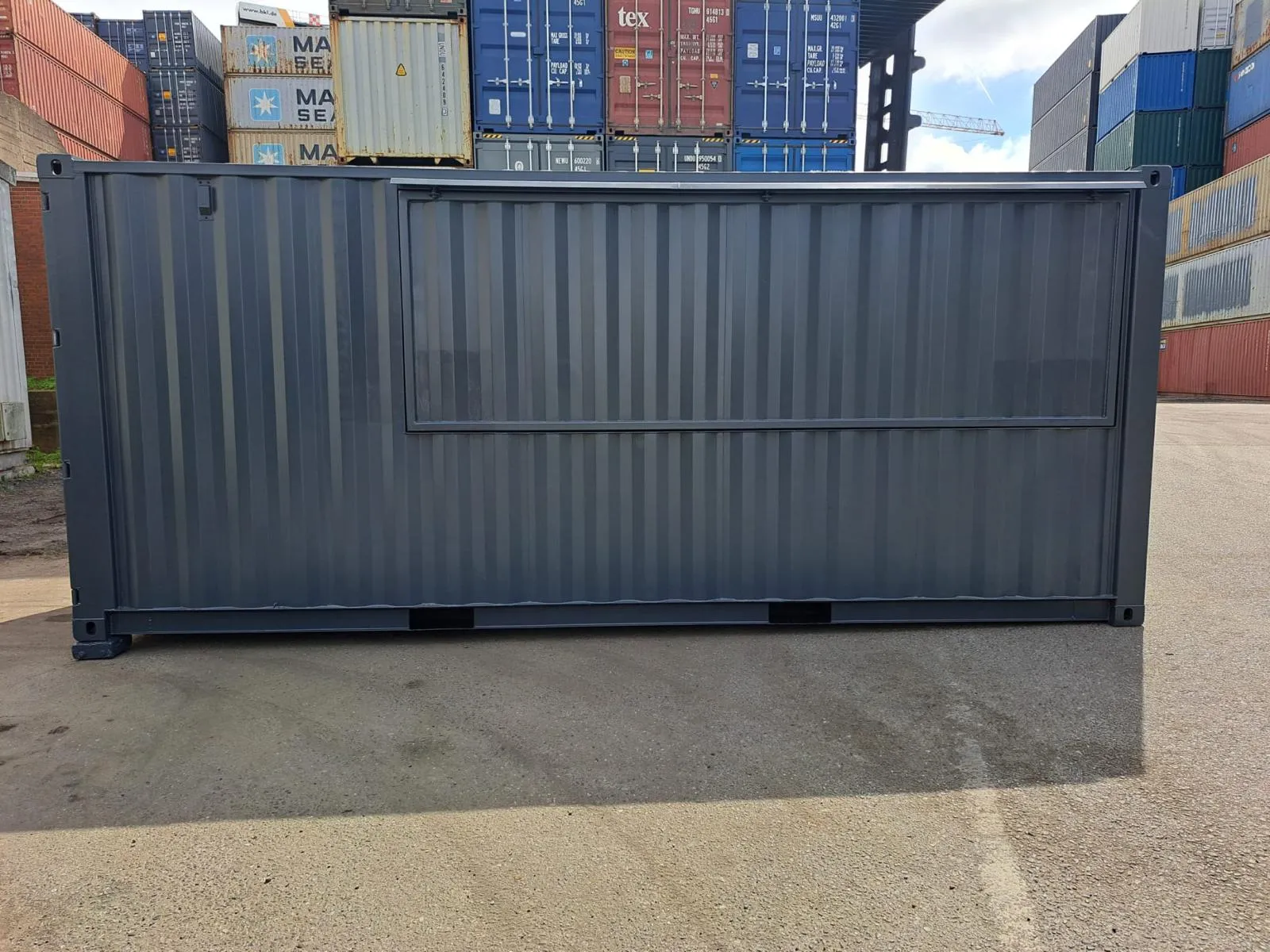
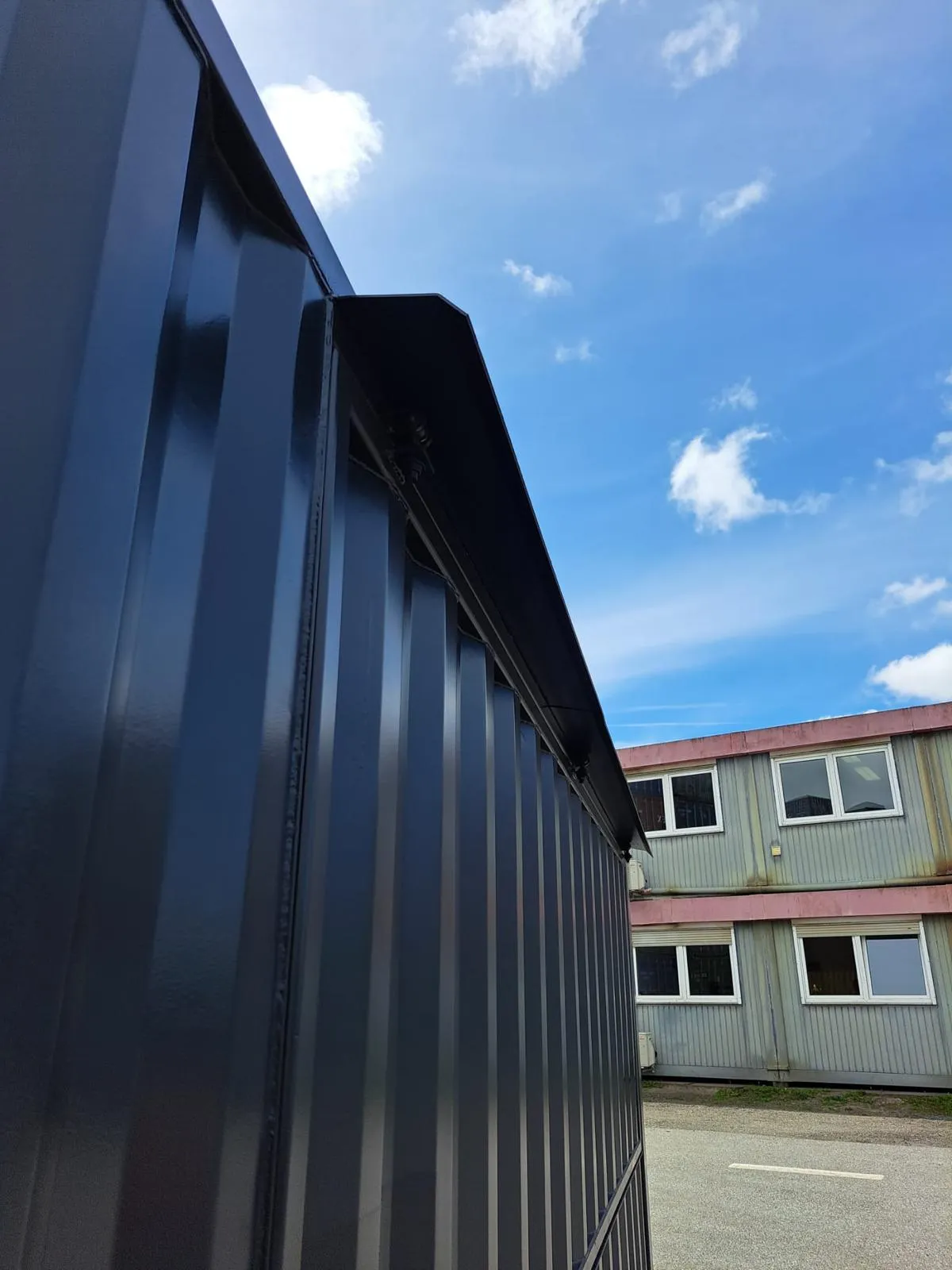
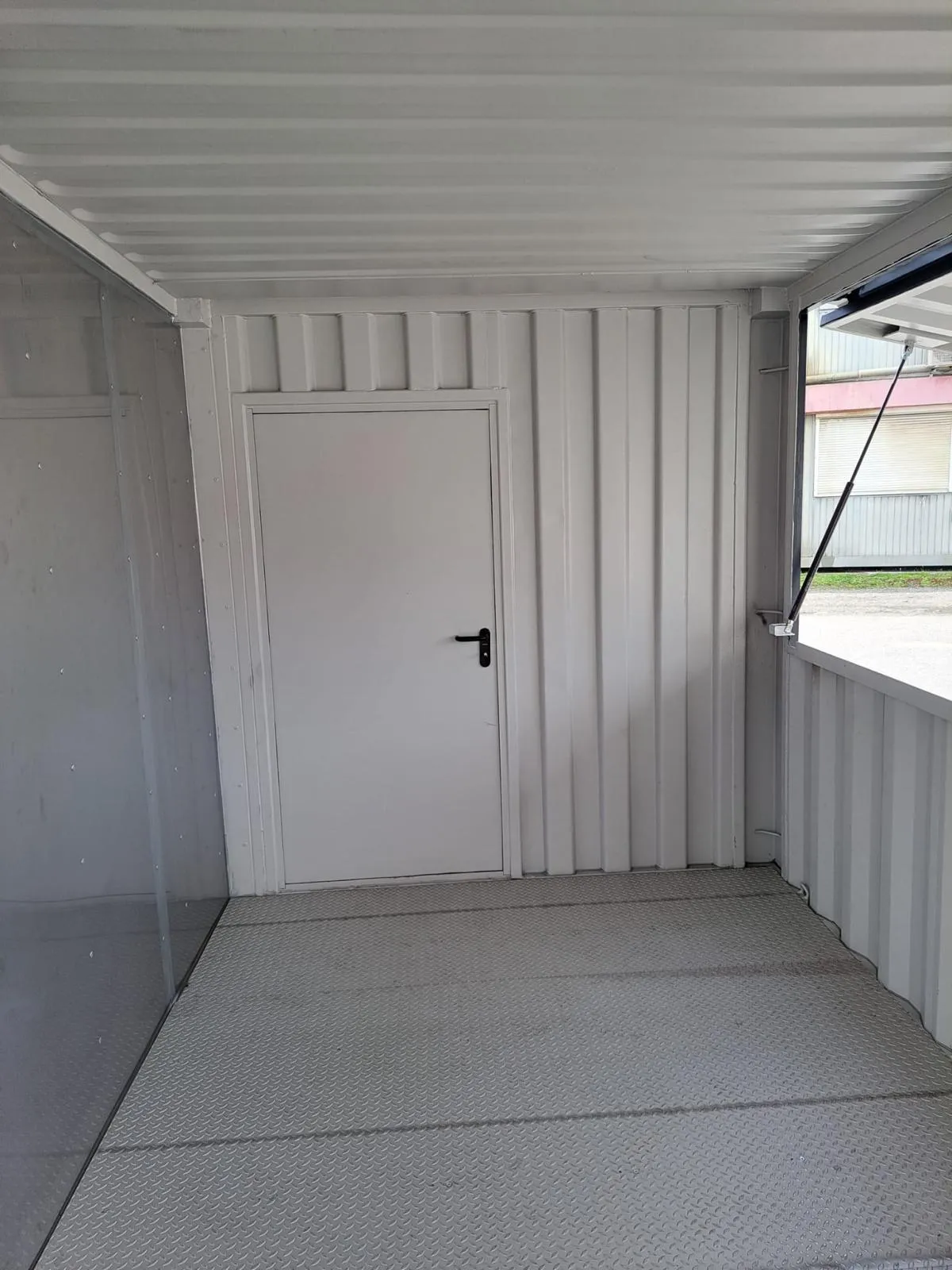
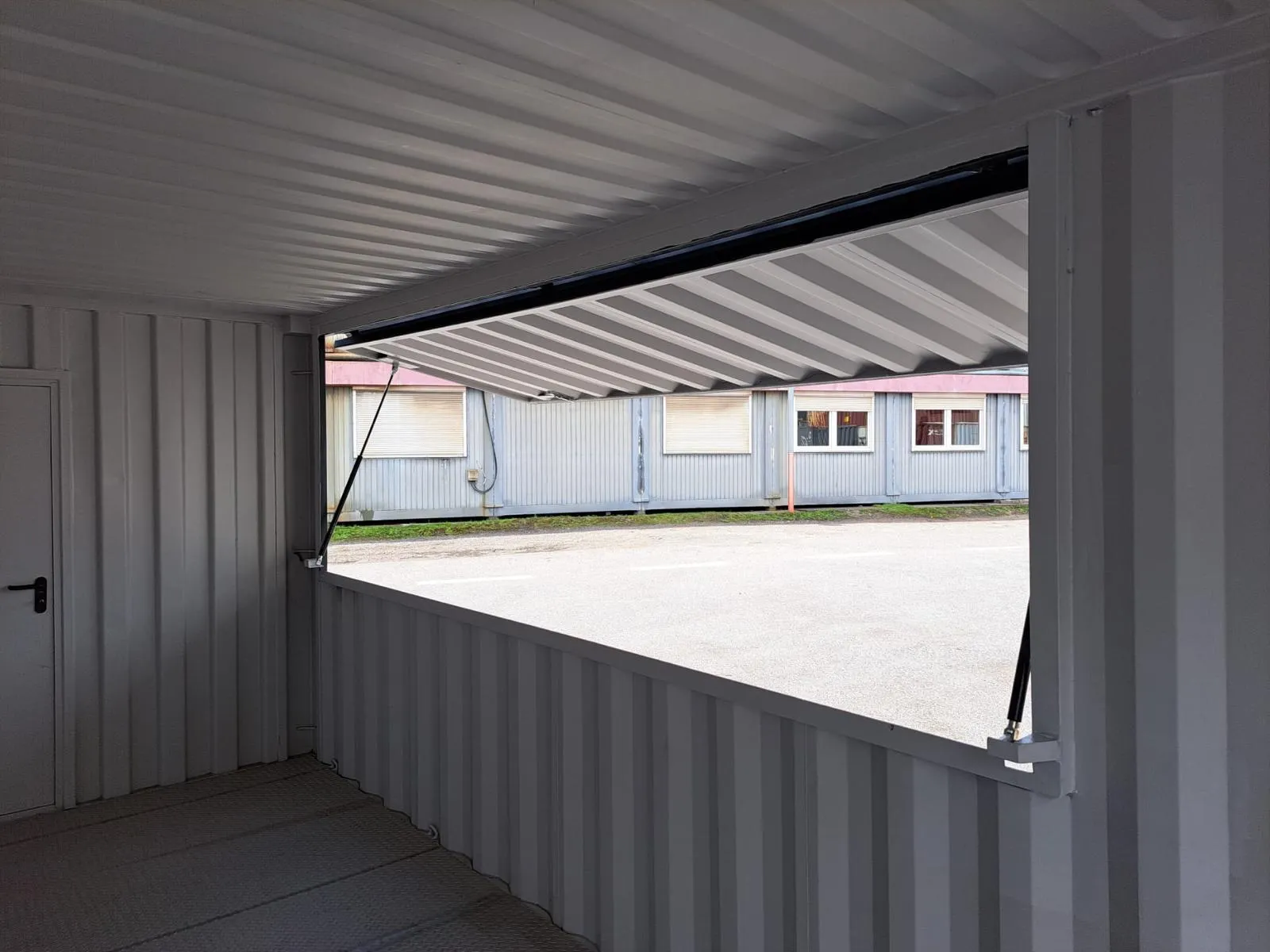
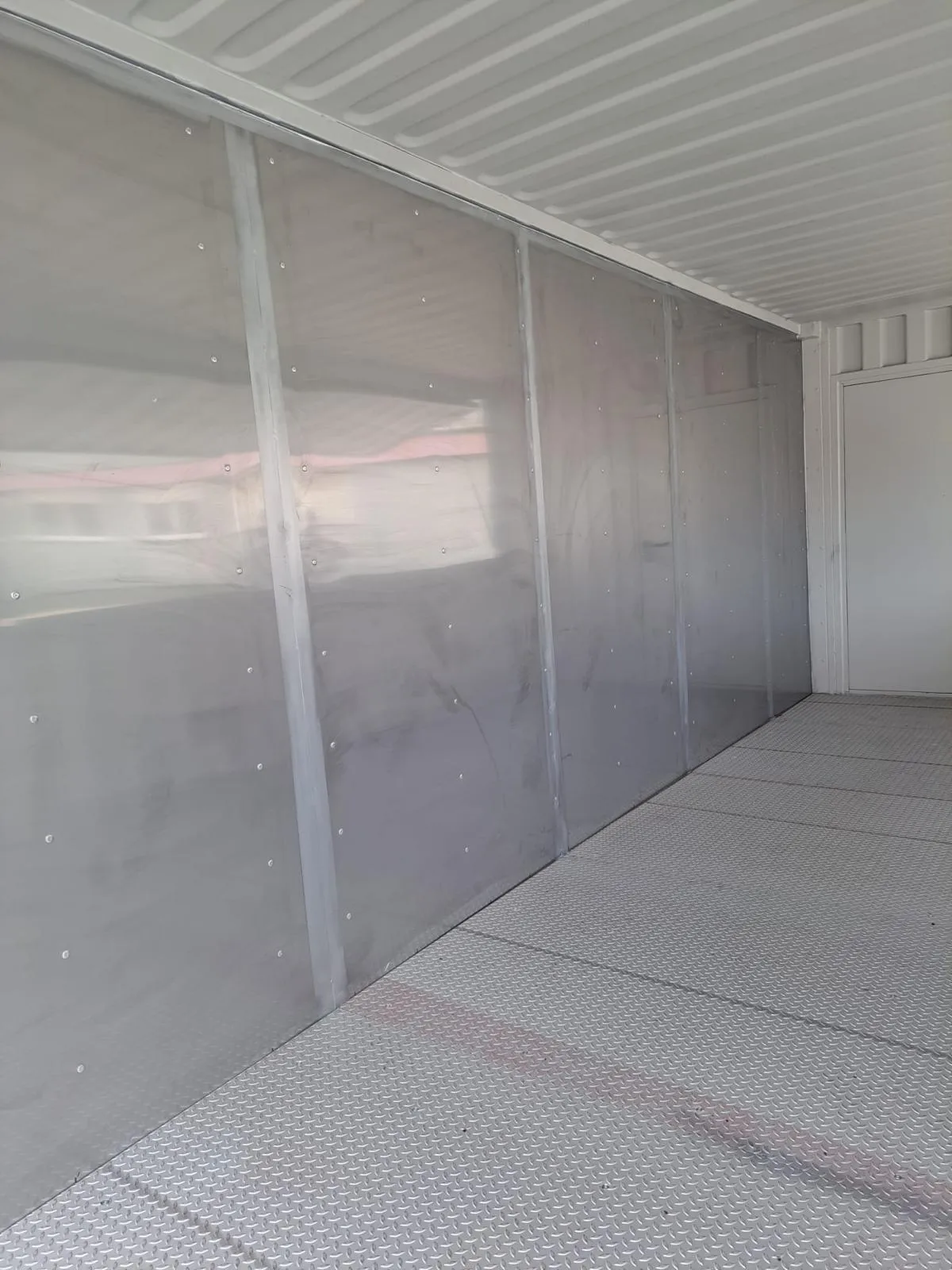
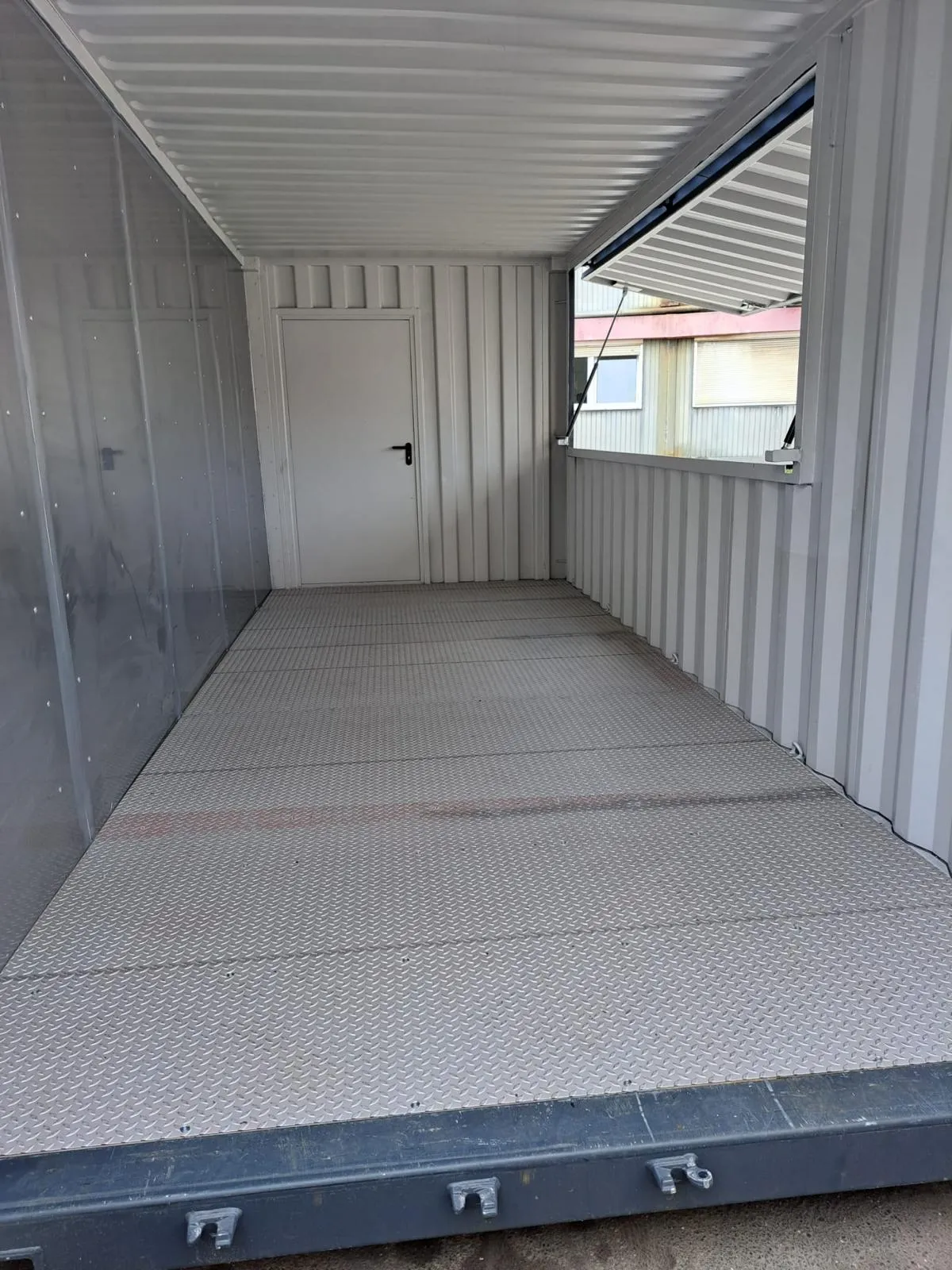
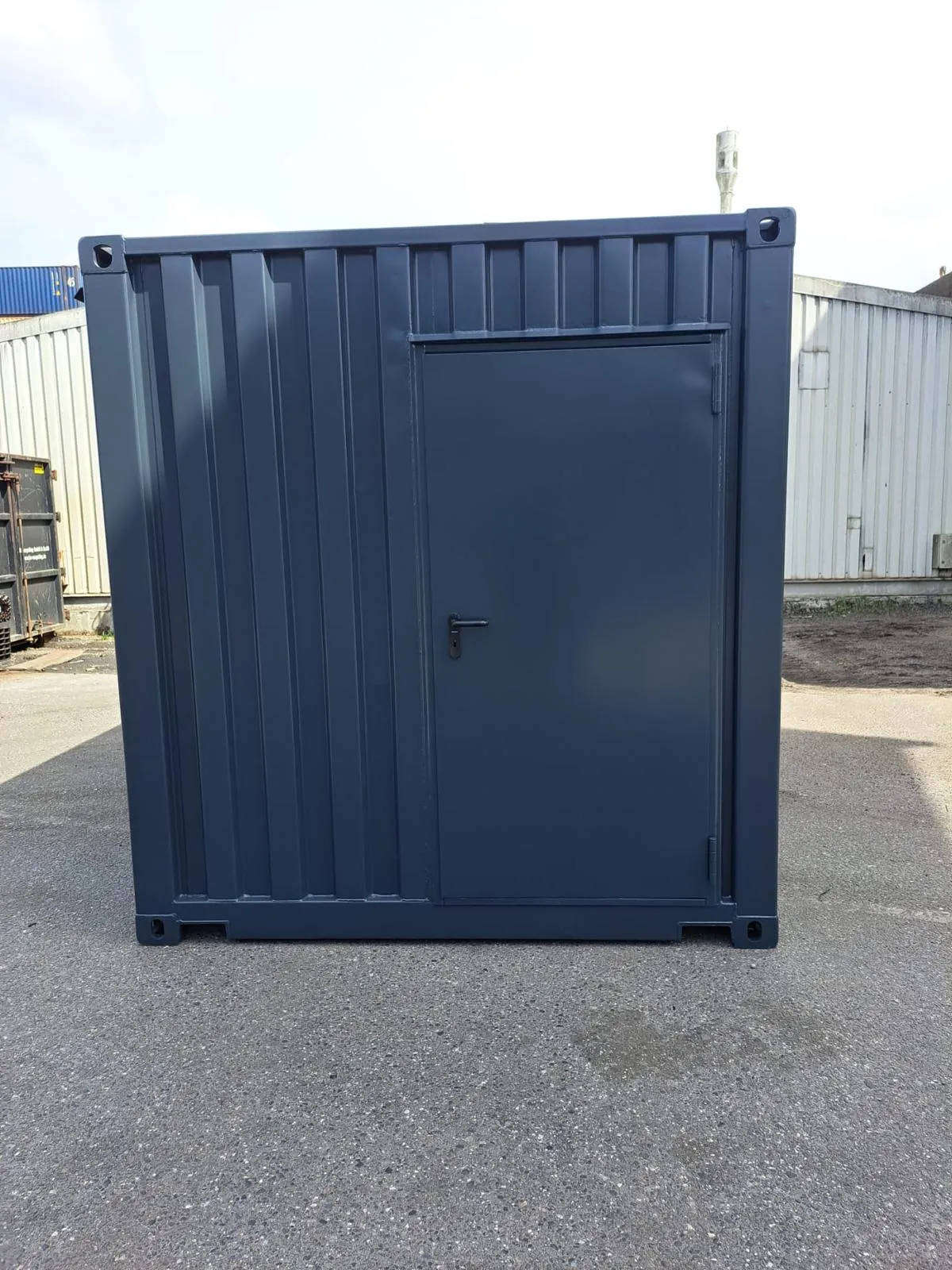
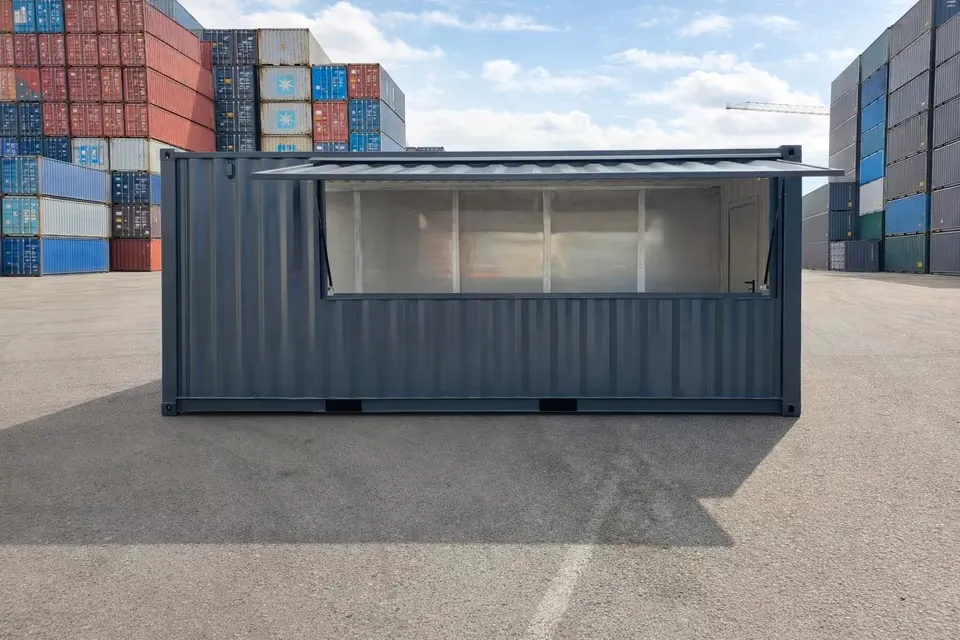
6) Bar container (Hamburg): catering module with serving hatch
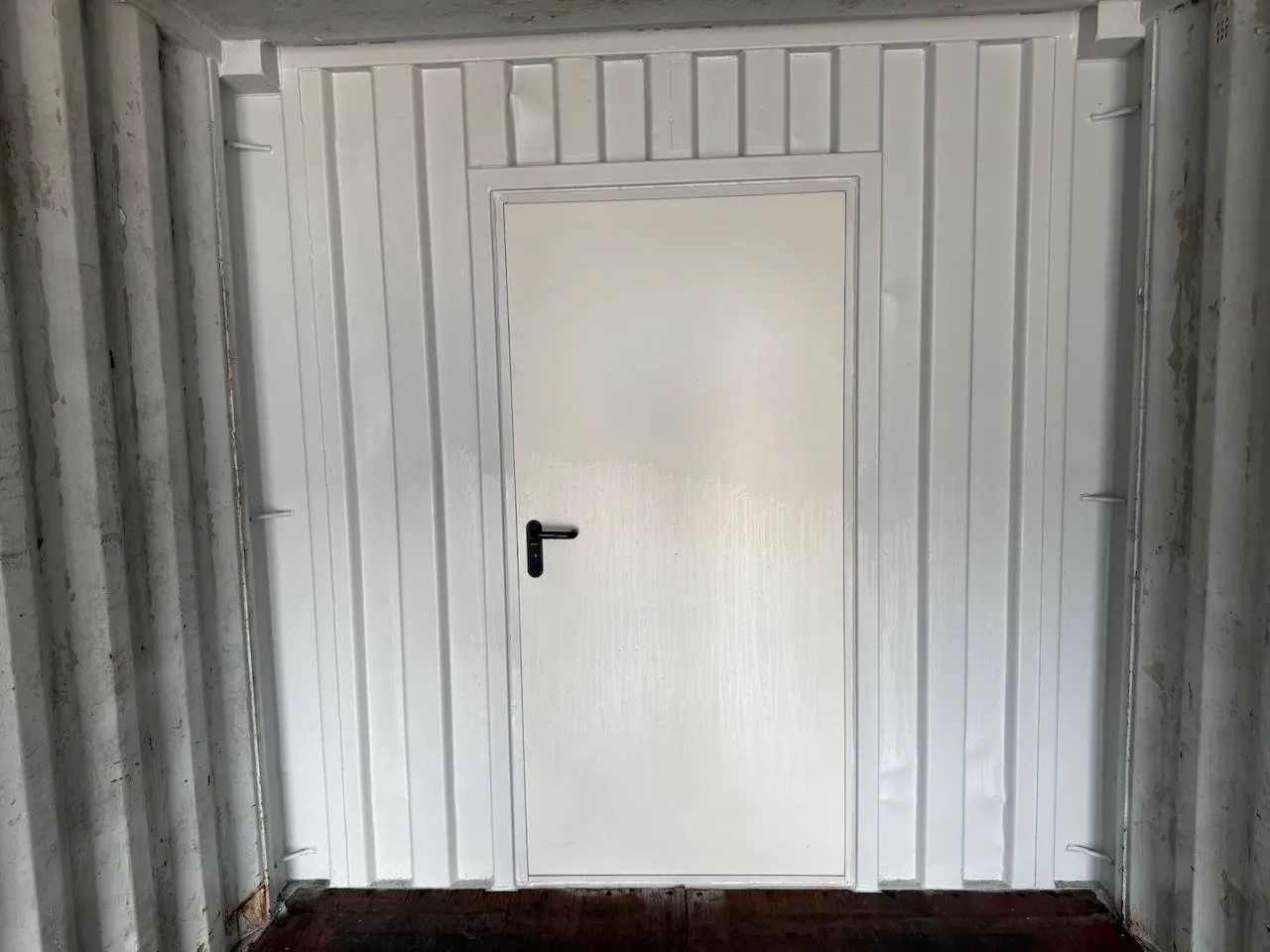
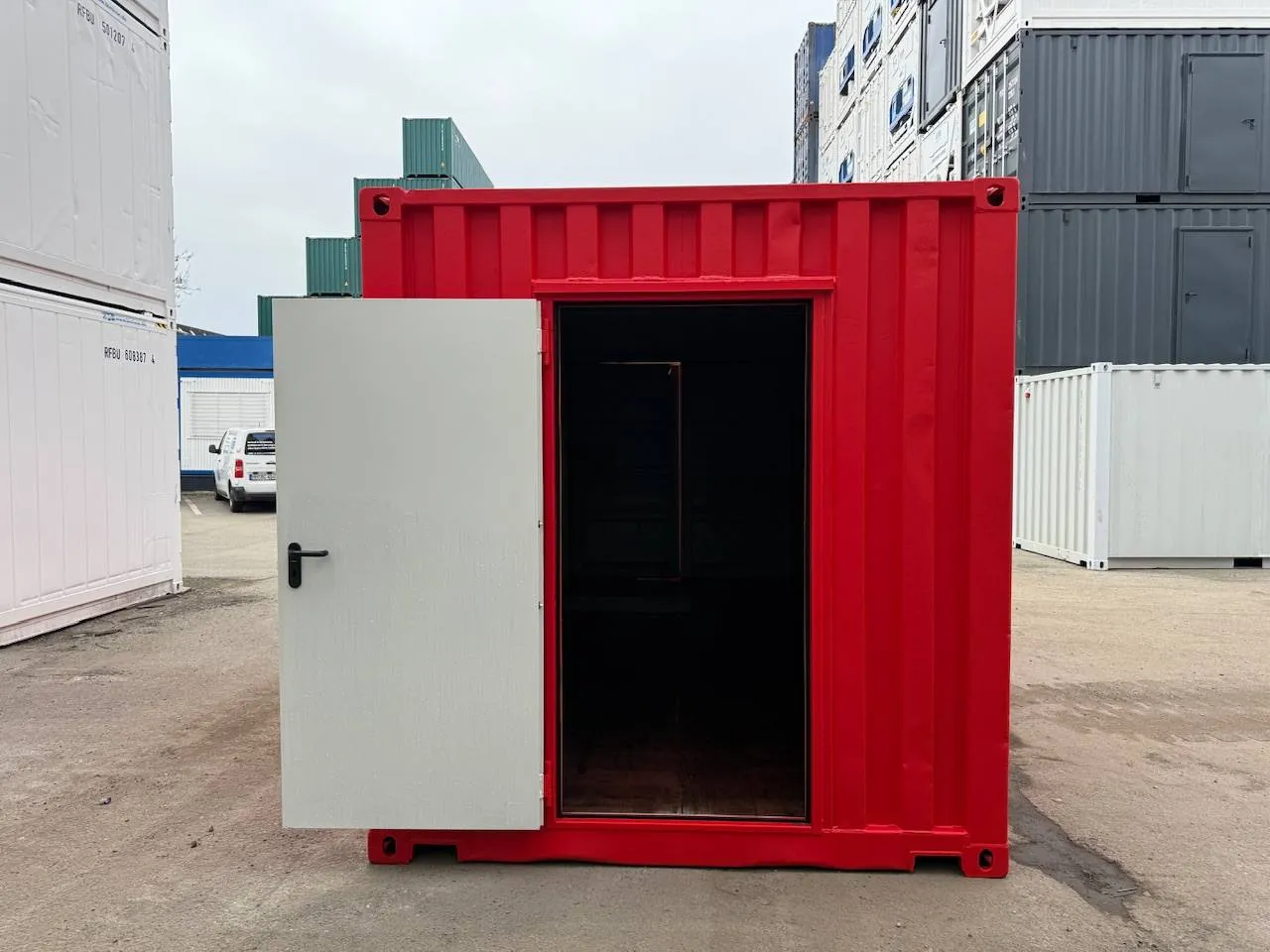
In Hamburg, we converted a grey shipping container into a bar container – with a large serving hatch including a canopy, a separate staff door and a robust interior fit-out. The result is a compact catering unit that is quickly ready for use and ideal for events, pop-ups or seasonal locations.
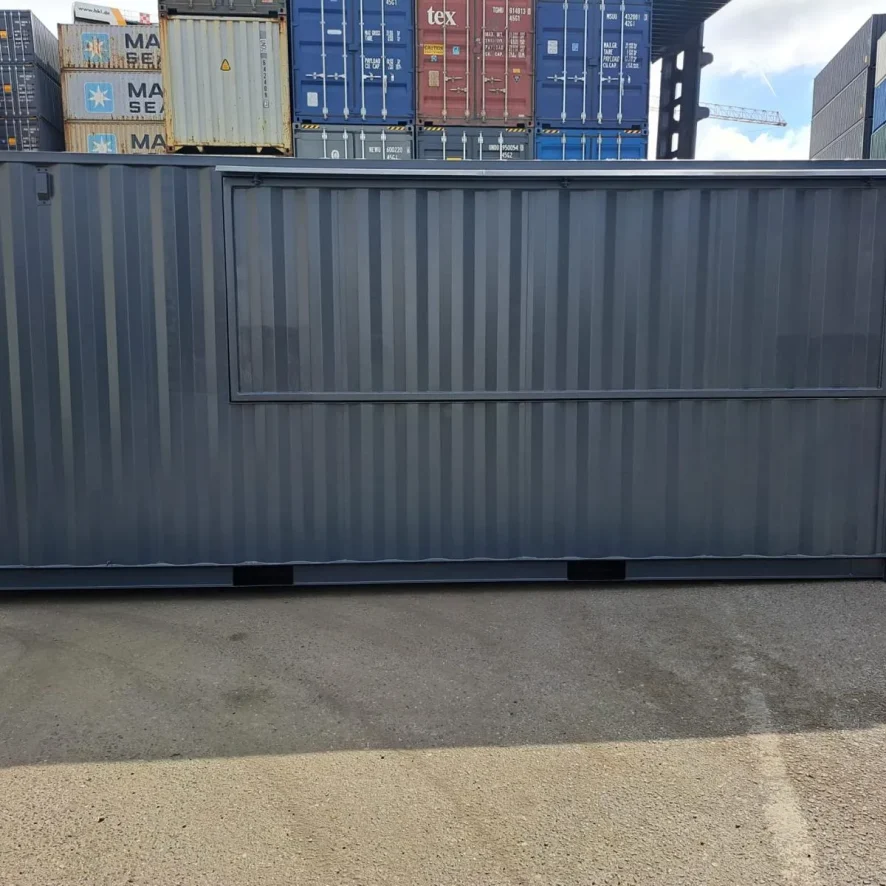
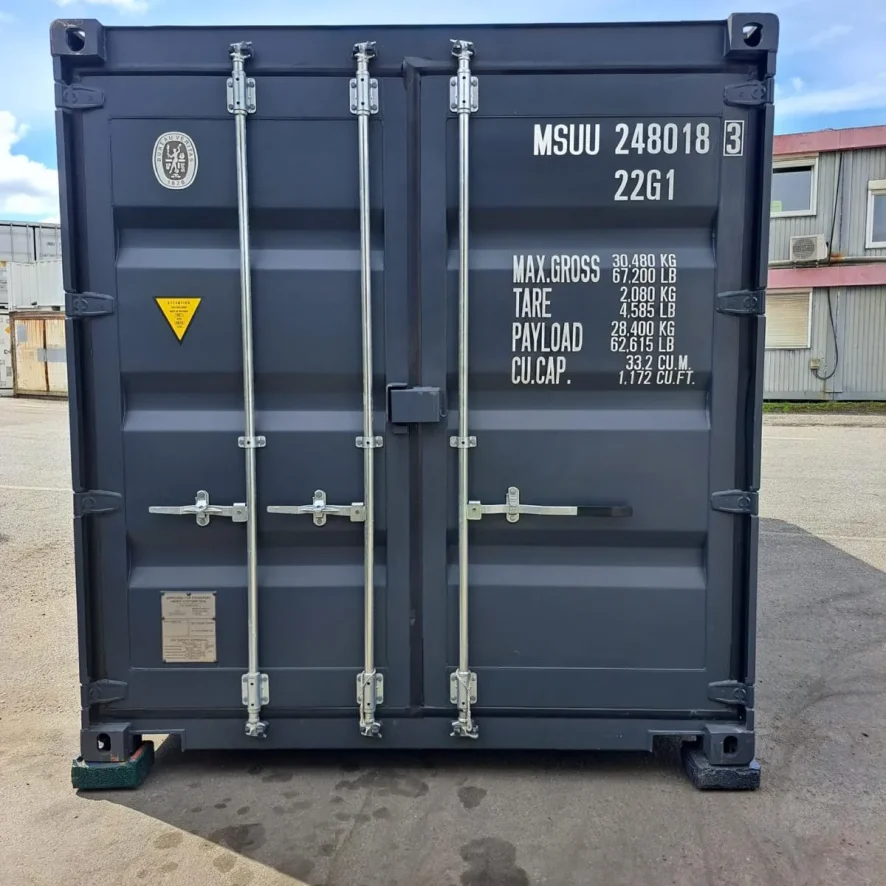
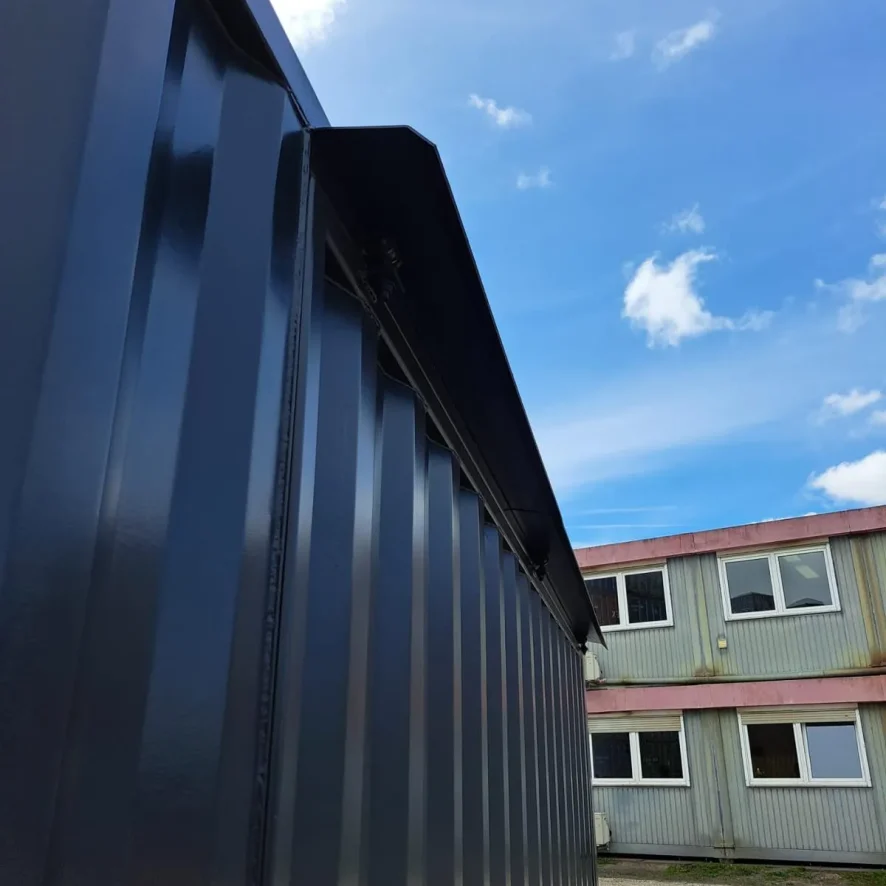
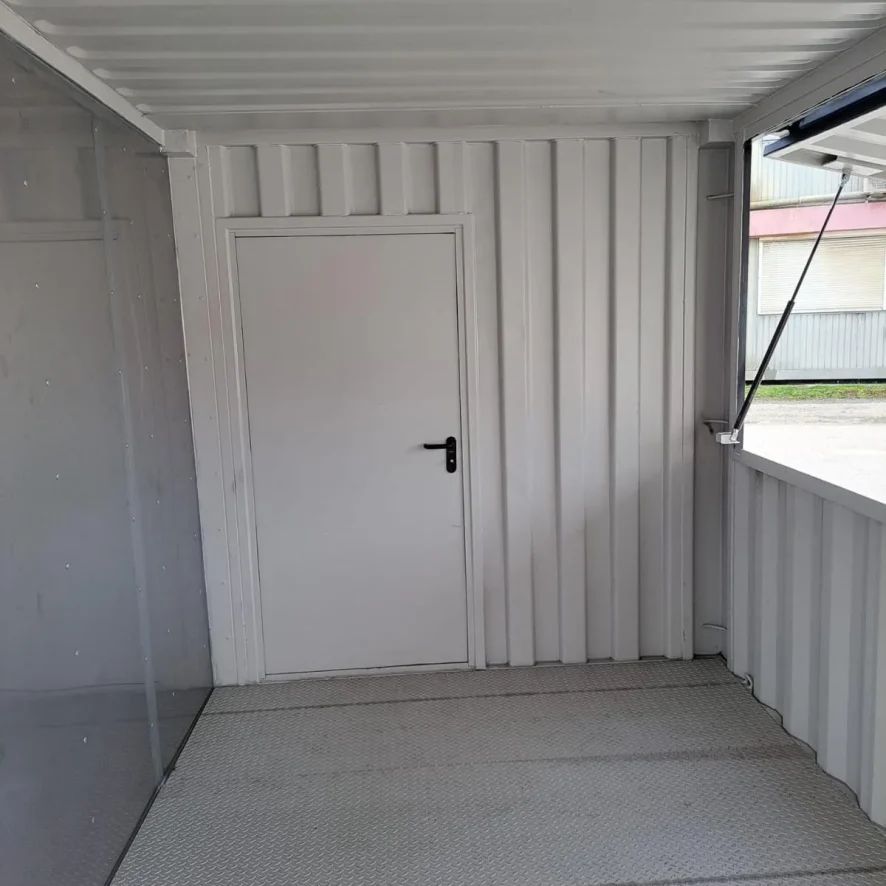
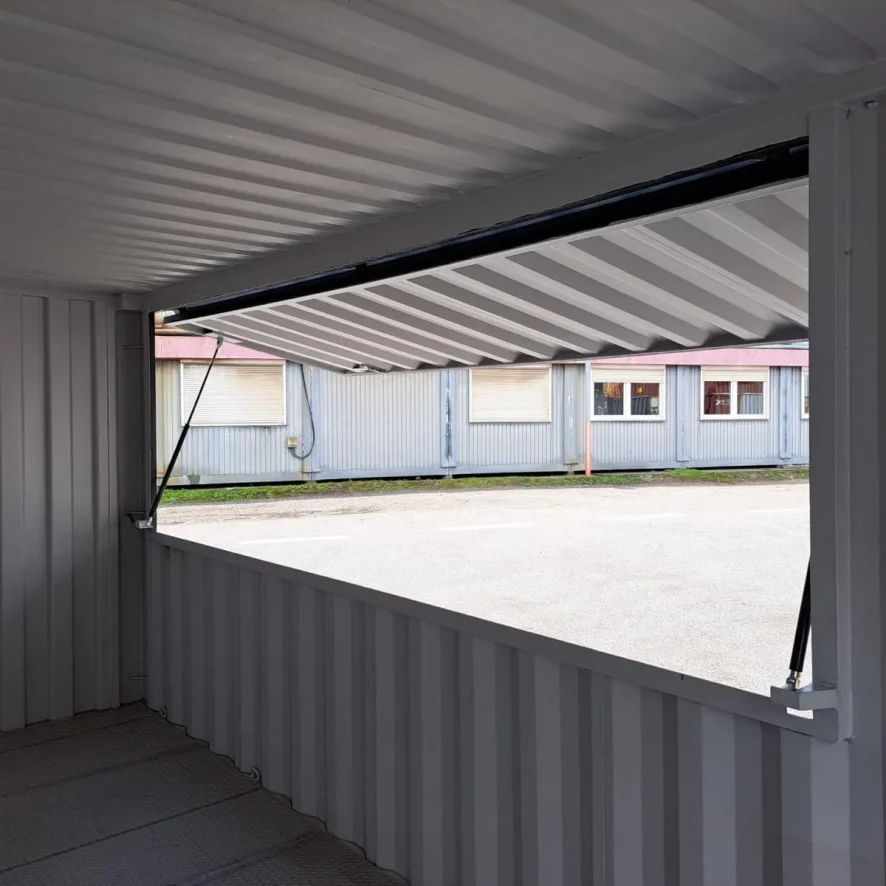
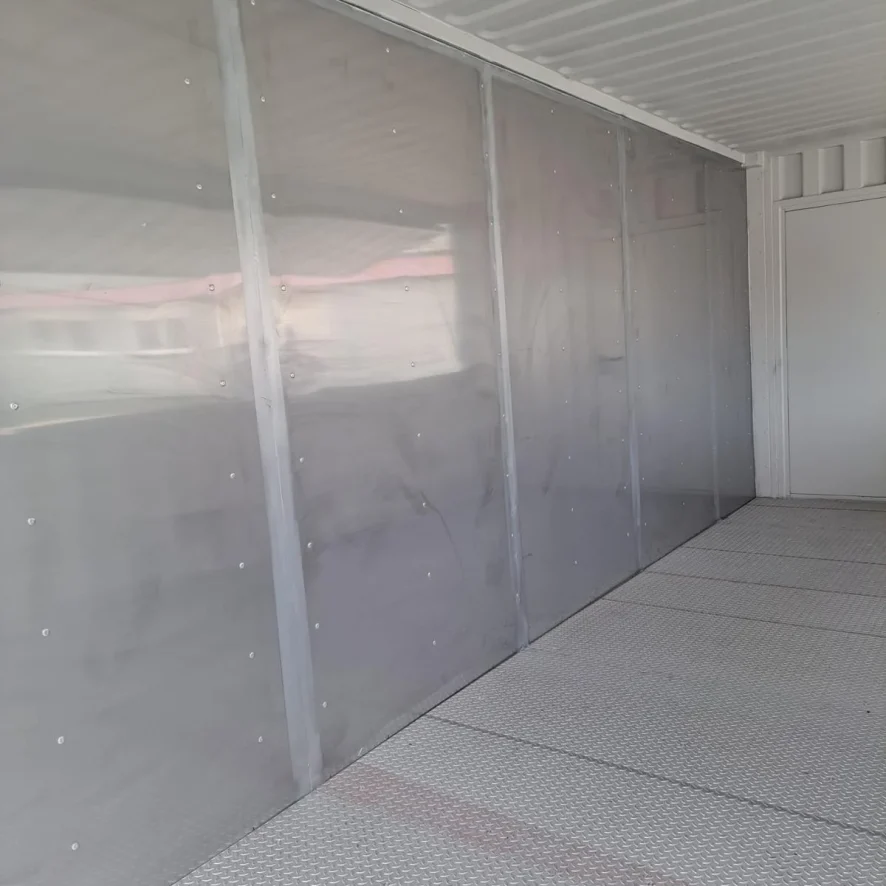
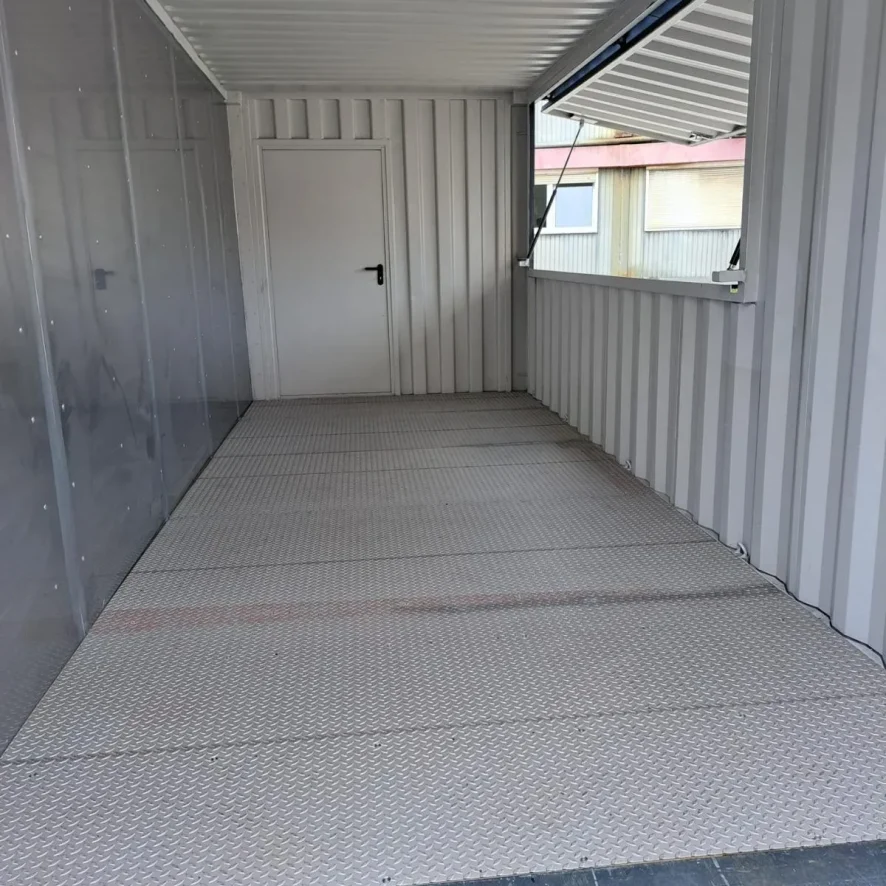
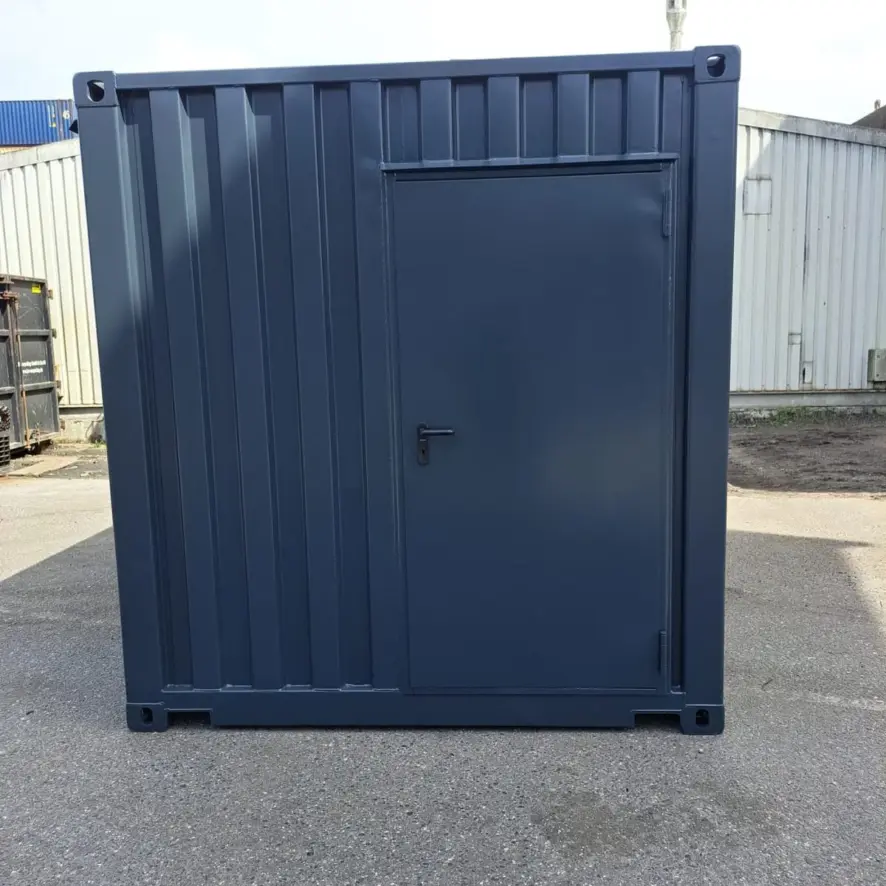
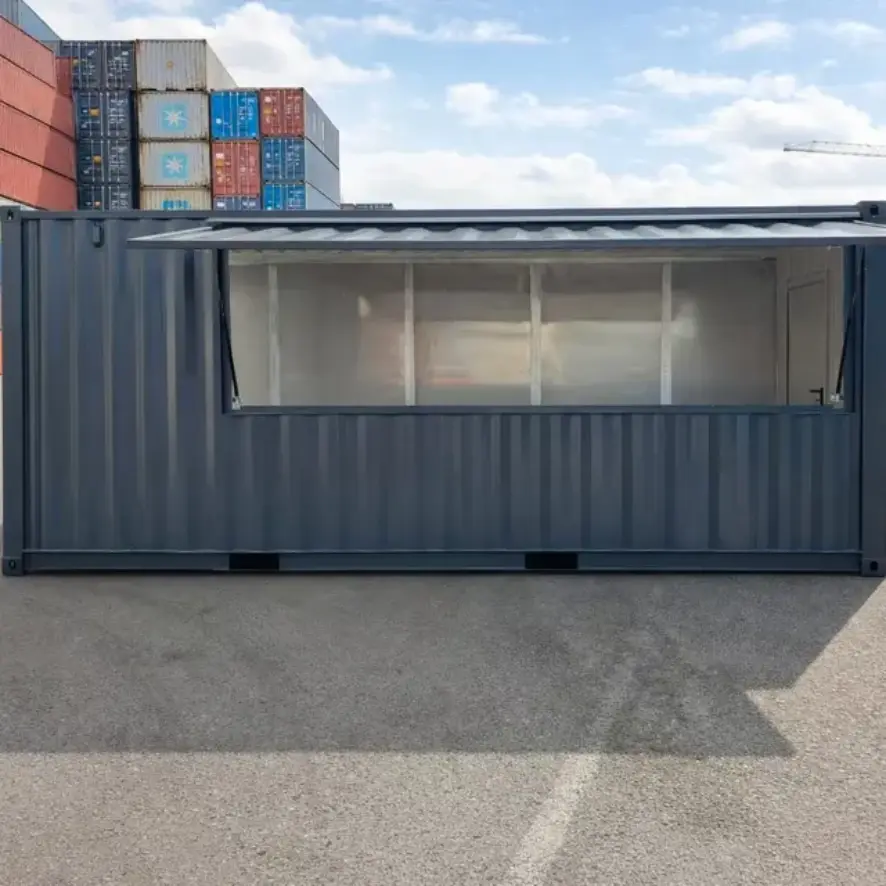
In brief: A bar container is a fast, weatherproof catering solution – compact, mobile and professional in operation.
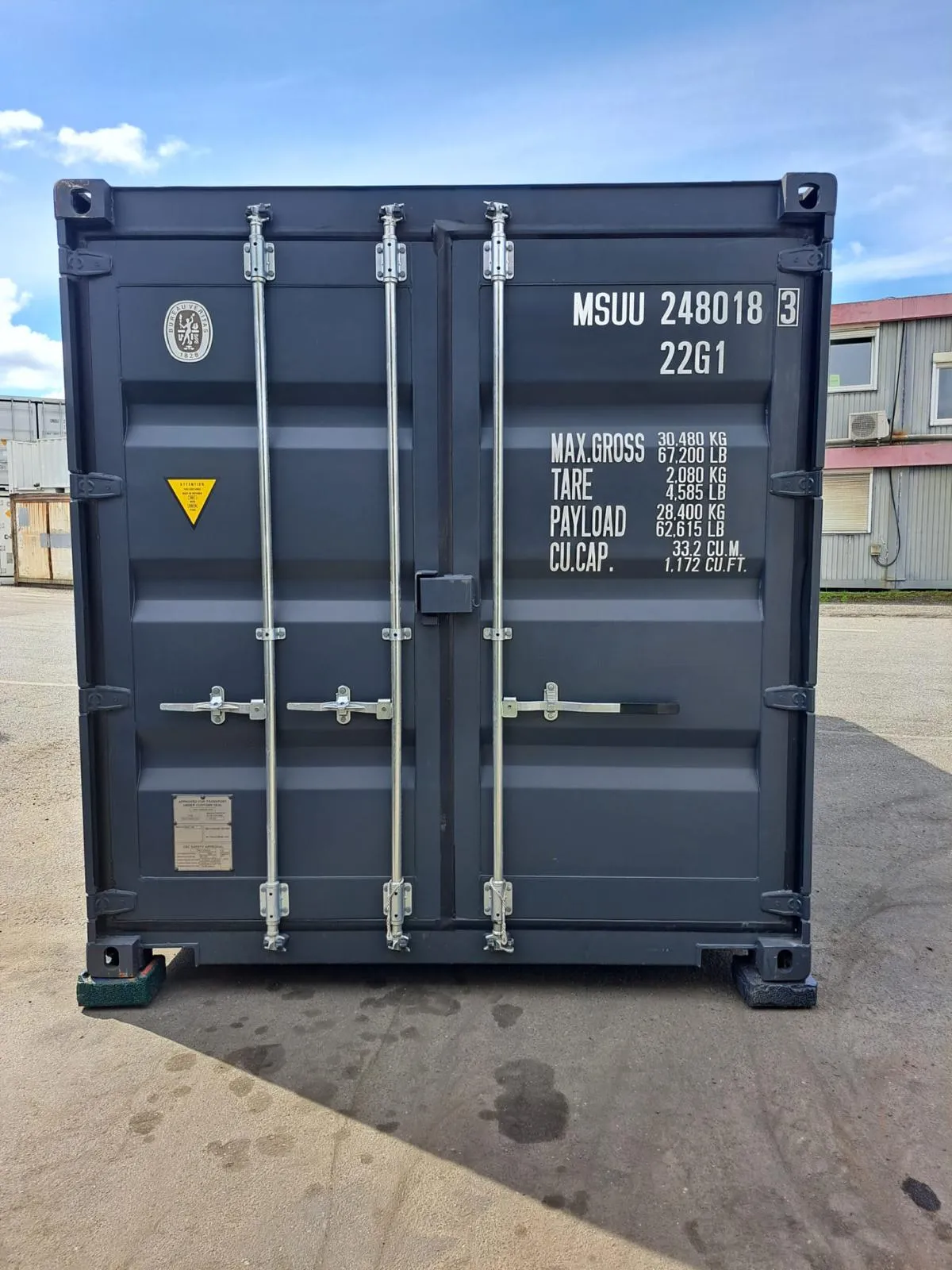
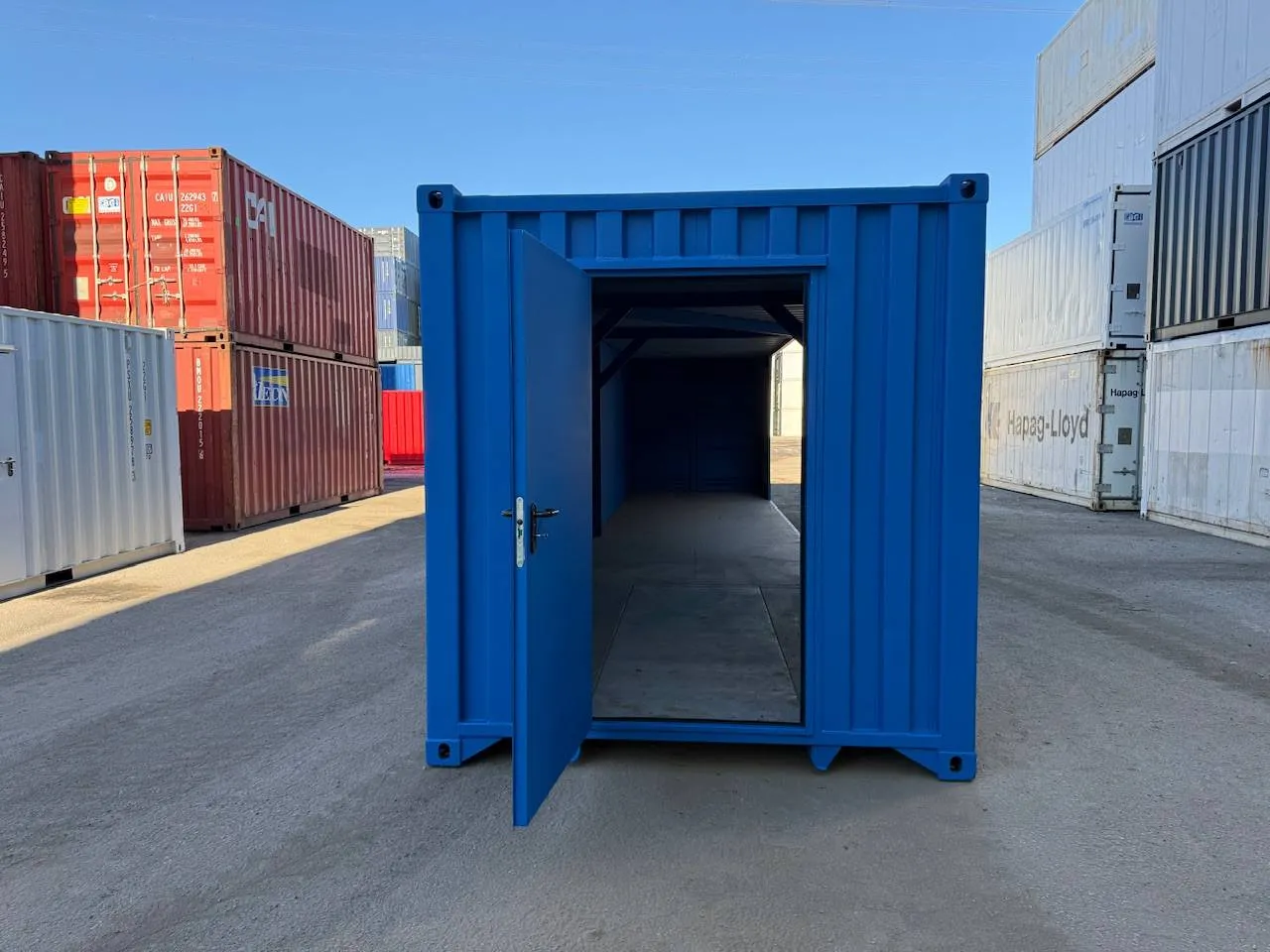
7) Asphalt mixing plant: 20 HC container as a dosing station in the plant
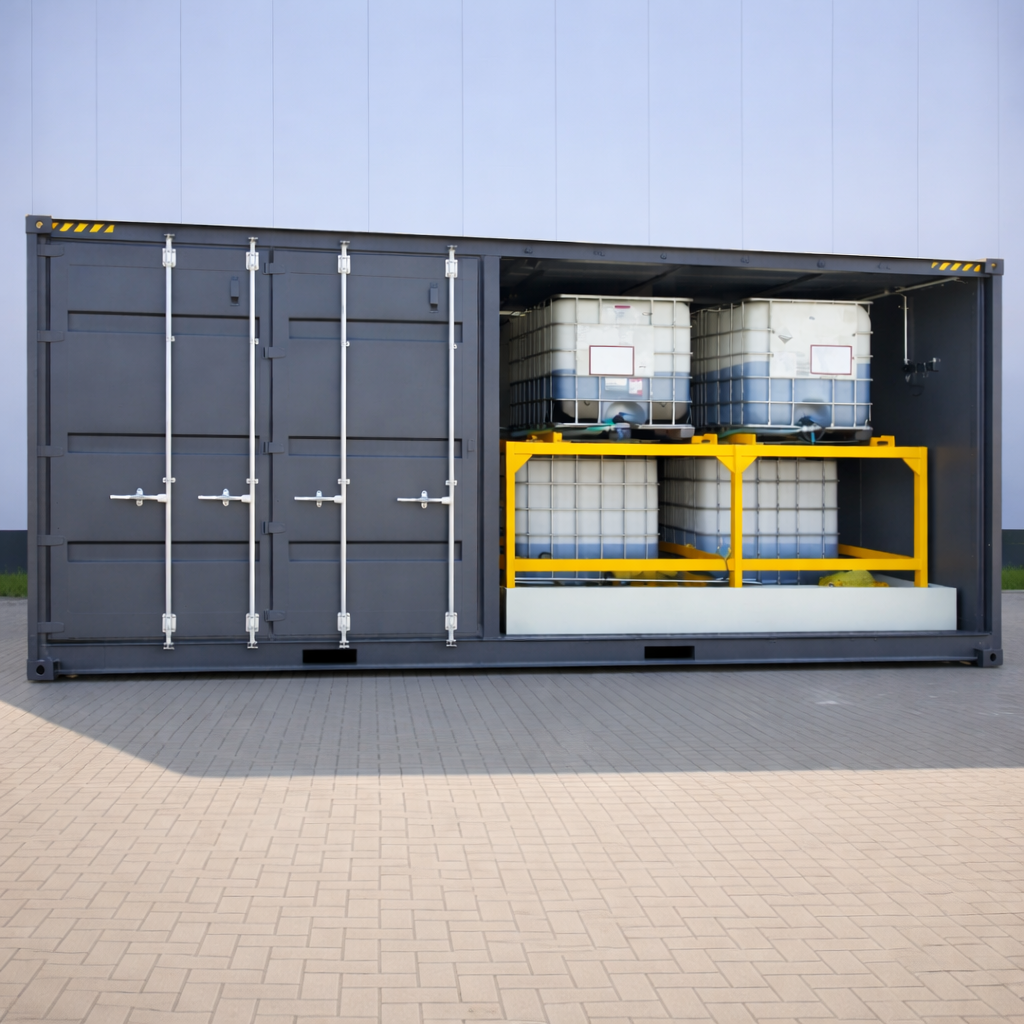
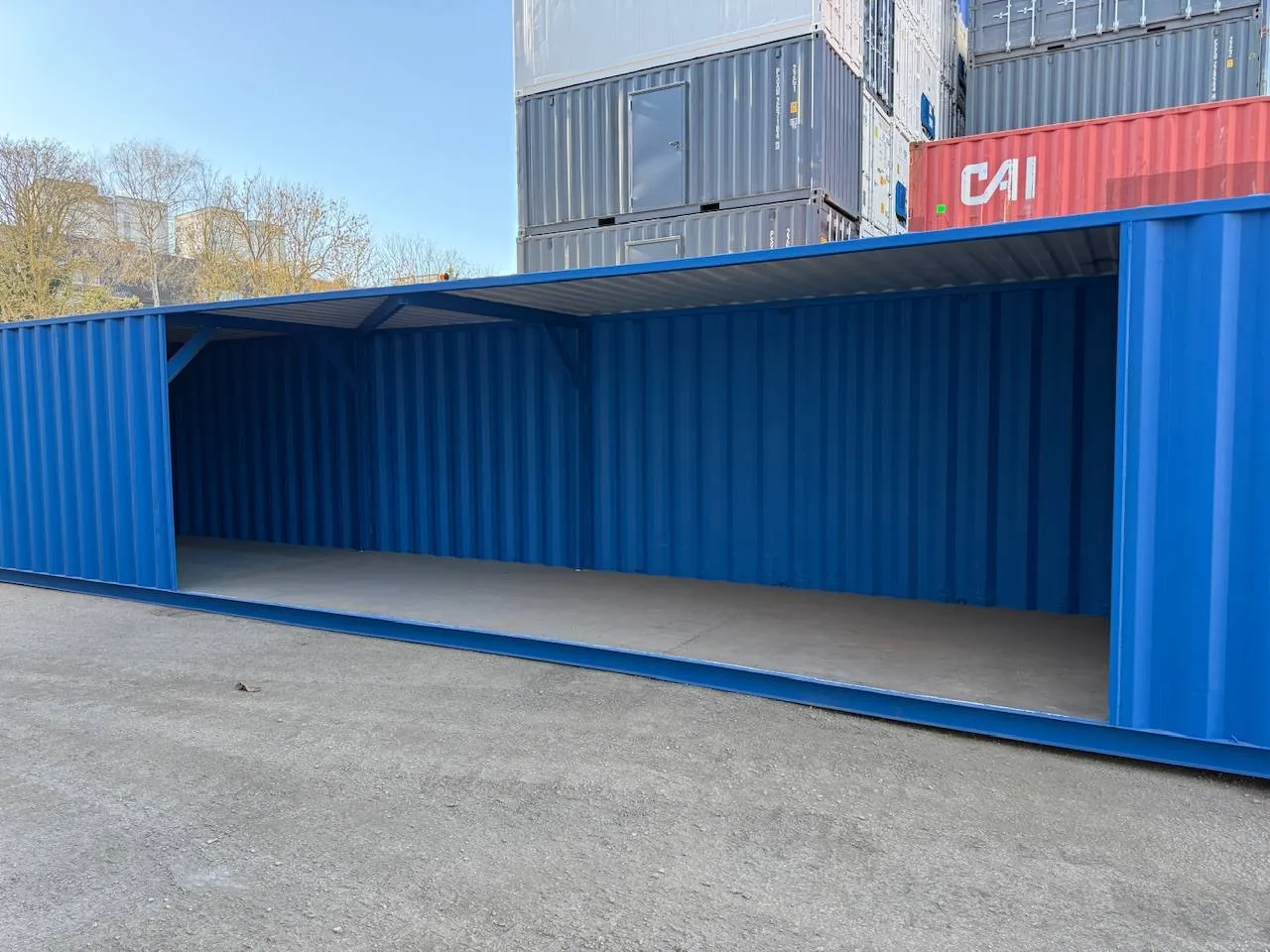
Our 20 HC Open Side shipping containers were converted by a customer into a compact dosing station for additives and used directly in an asphalt mixing plant . The container houses, among other things, a buffer tank and dosing pump ; dosing is carried out centrally via the control room and can be expanded later expanded modularly – for example with further additives or extra tank volume.
In brief: The container becomes a protected technical room – modular, expandable and ideal for industrial applications.
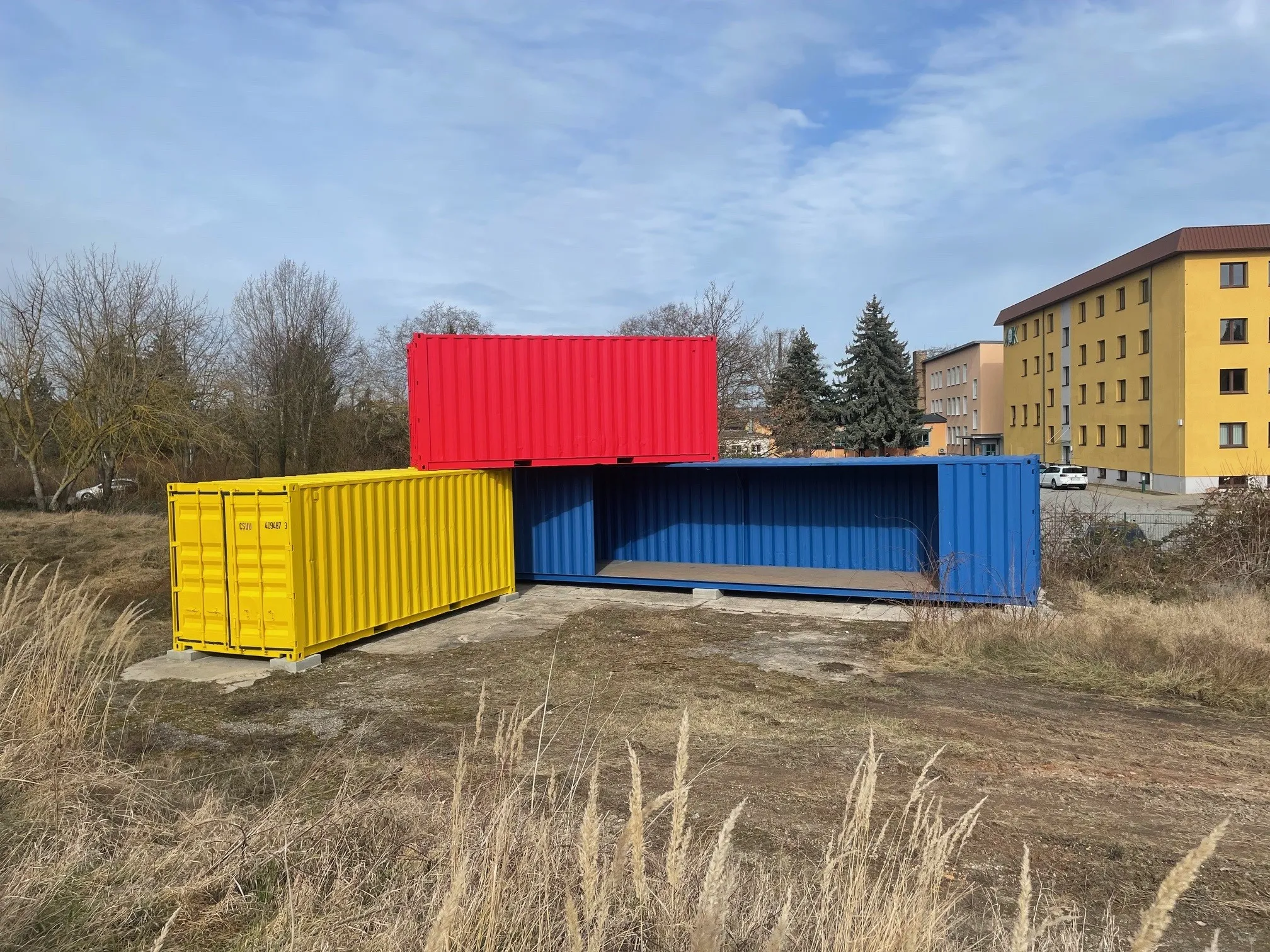
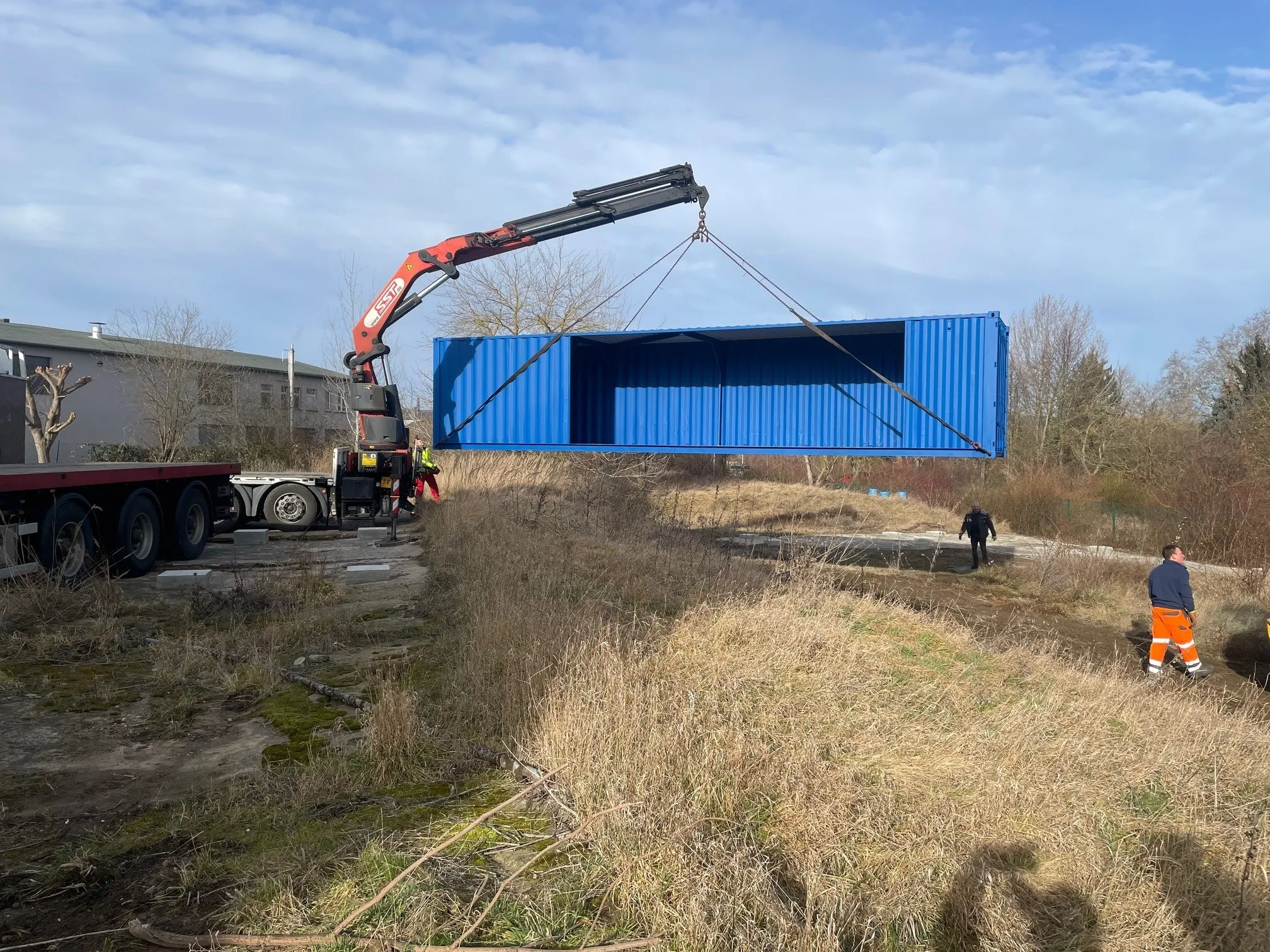
8) Container stage: From the sea to the stage
Several shipping containers were turned into a modular, stable container stage . We professionally painted the containers and converted them for use as open stage areas . The result is a robust, transportable solutionthat can be assembled quickly and is particularly suited to theatre productions and events . Through light, colour and staging containers become an adaptable backdrop – from an industrial stage set to an urban skyline.
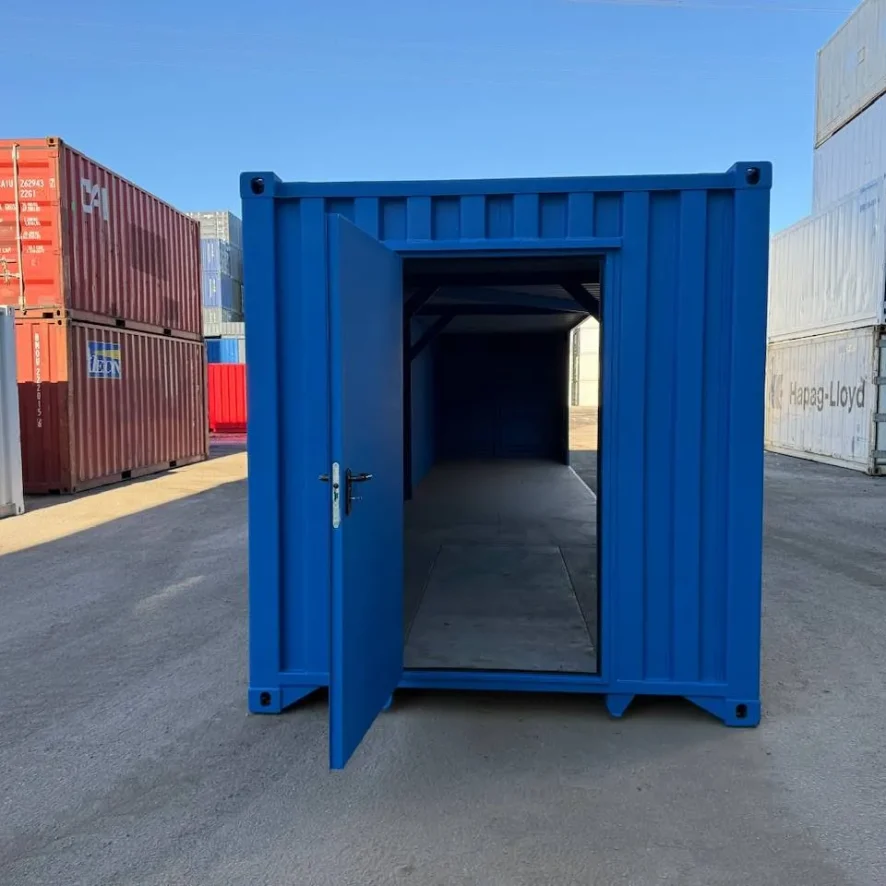
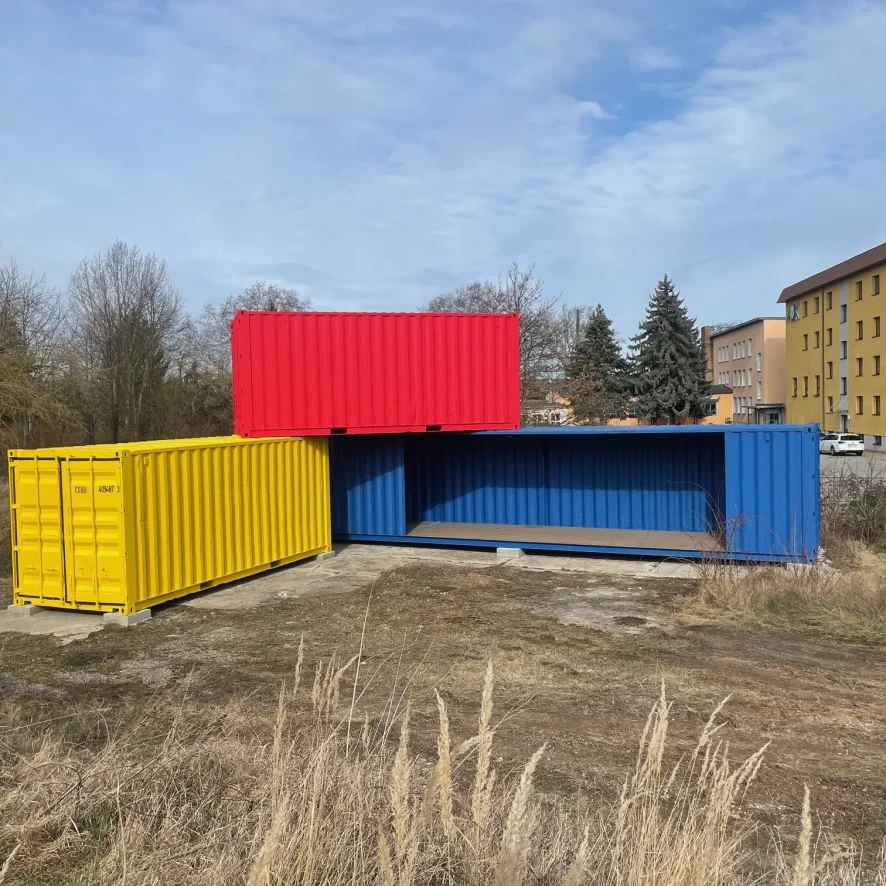
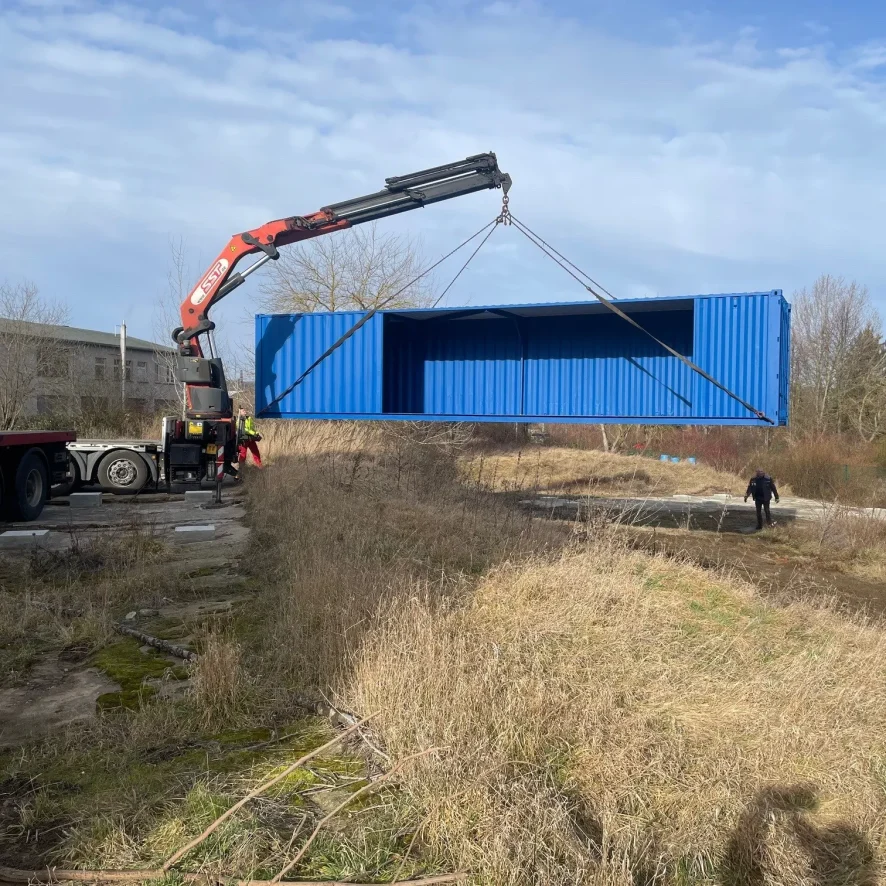
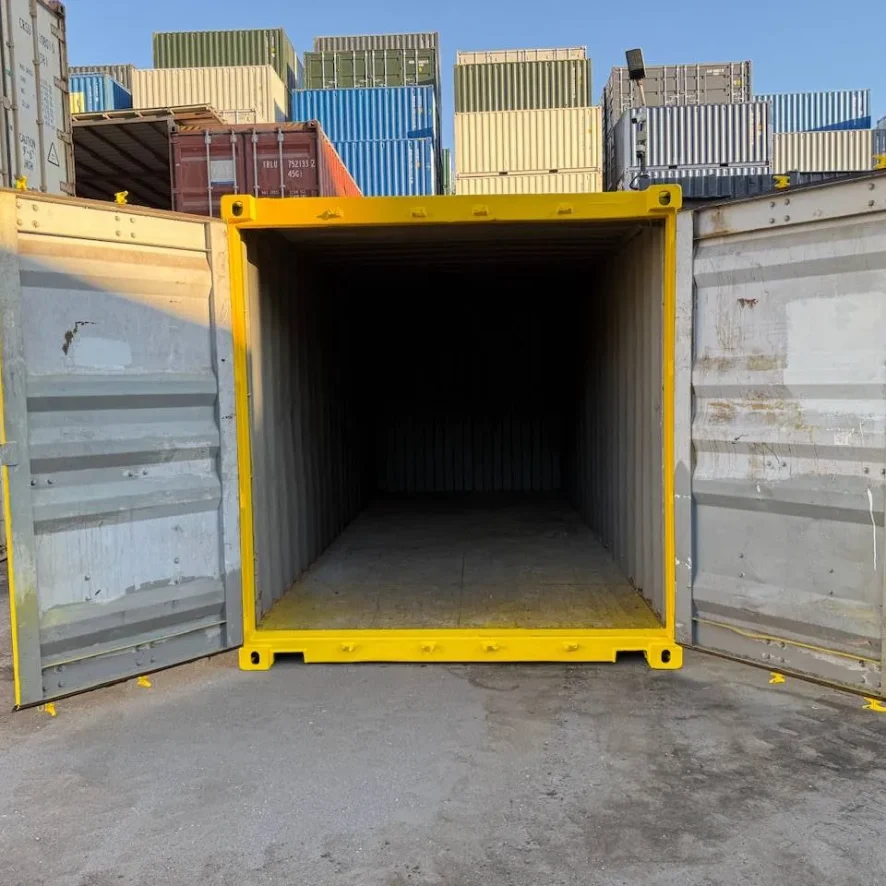
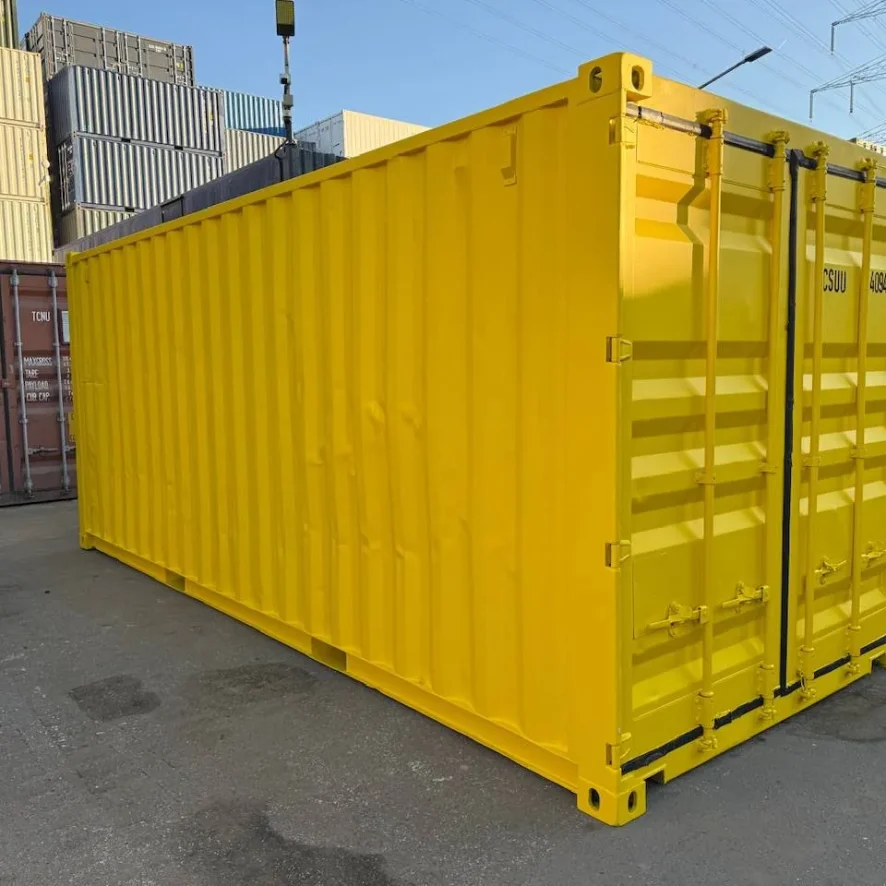
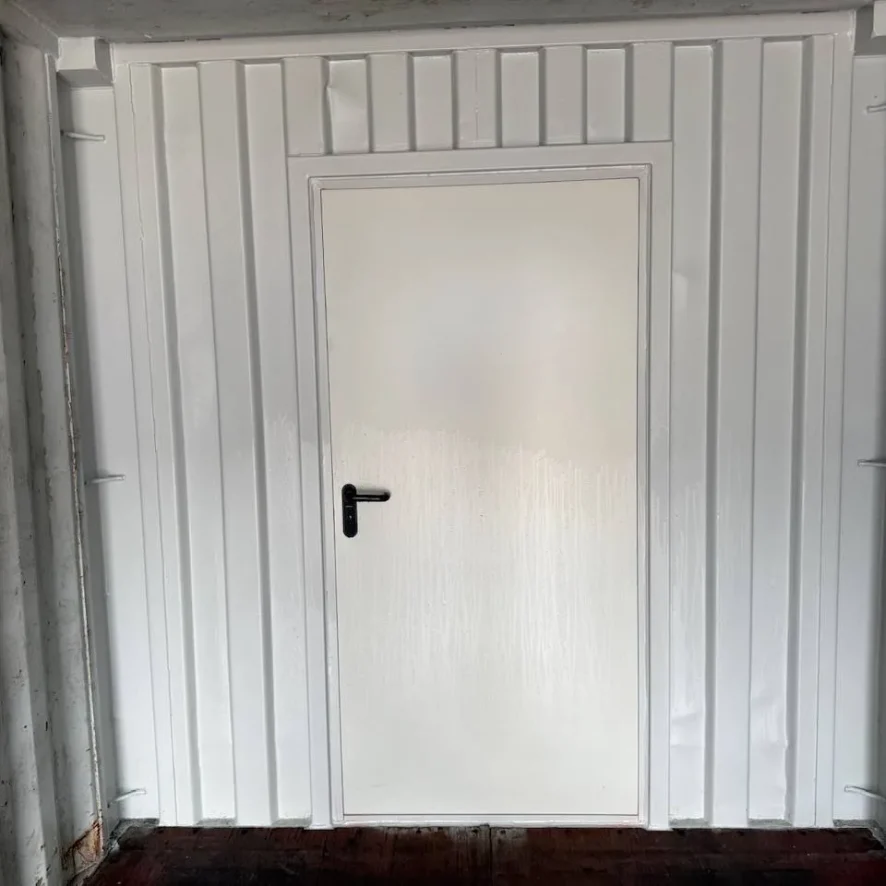
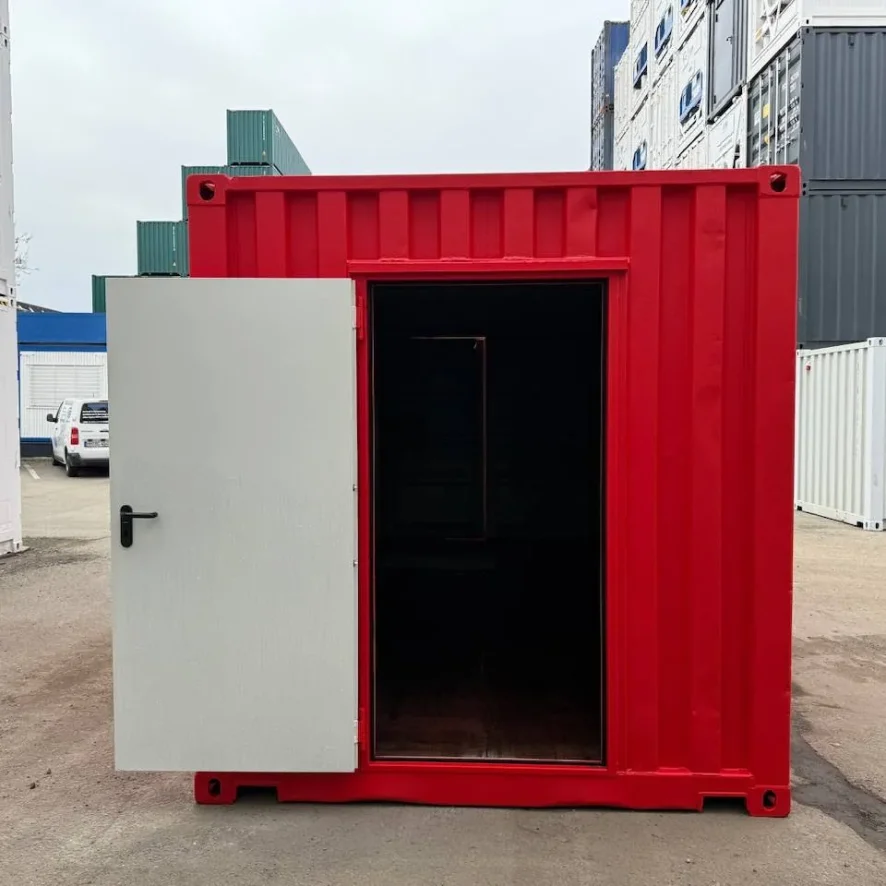
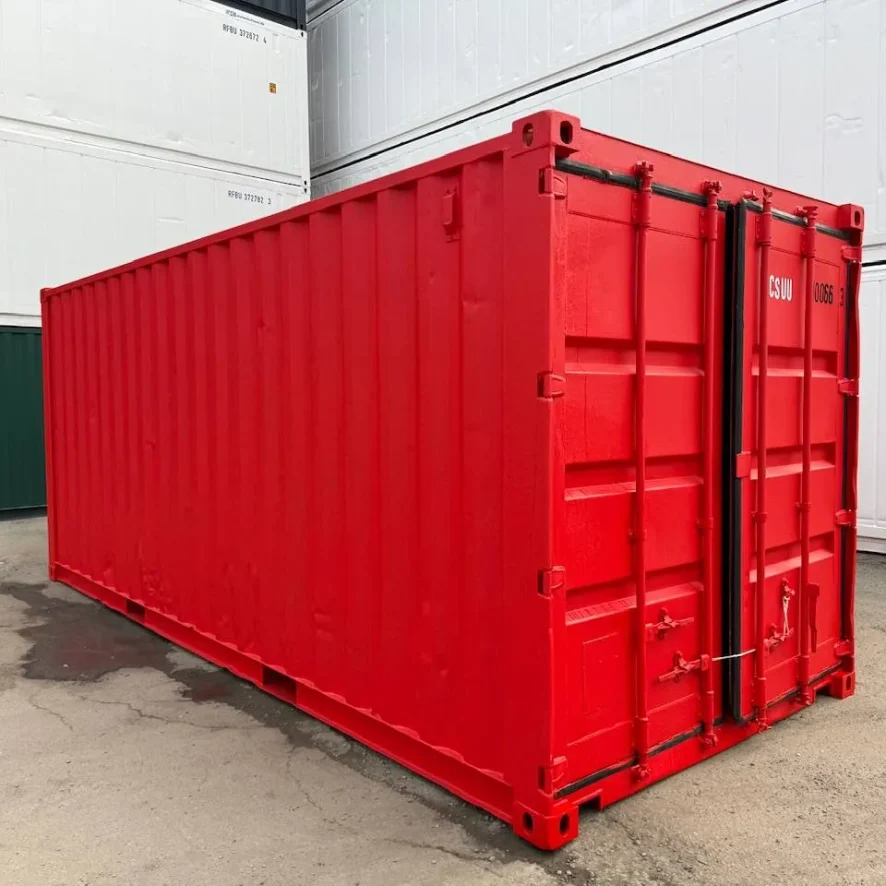
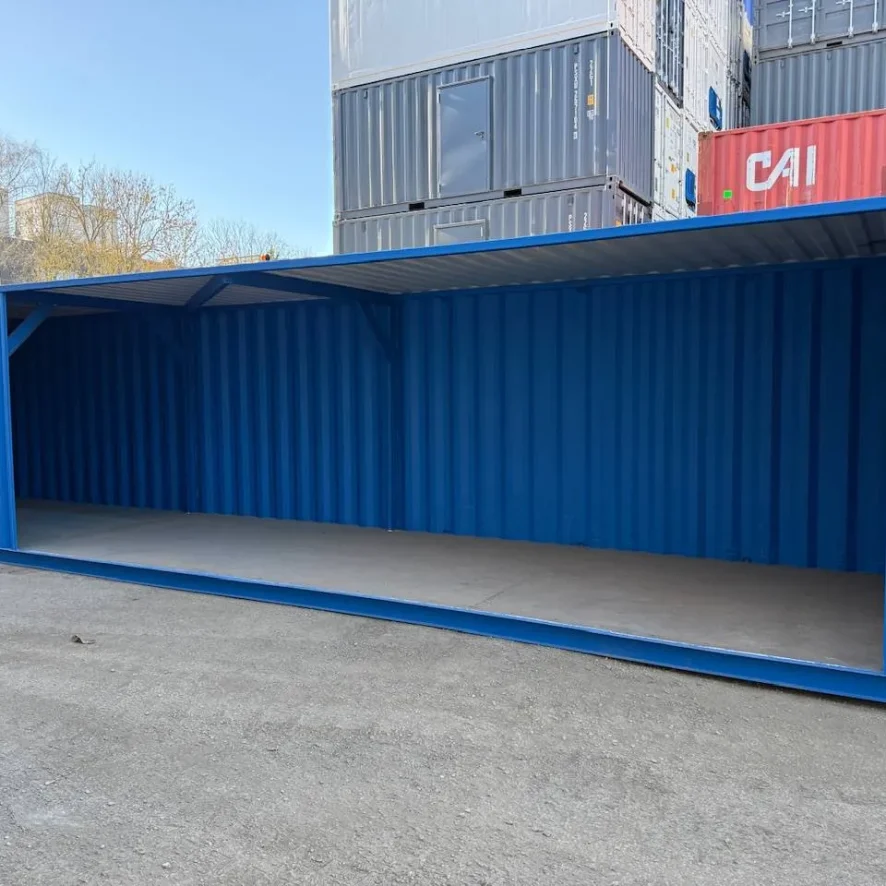
In brief: In the events sector, containers can play a key role – as a stable, mobile stage and a strong visual backdrop.
Which containers suit your project?
The examples above show how differently containers can be used – from pop-up concepts to technical solutions. To get your project off to a smooth start, it pays to choose the right foundation:
-
All-round base for many projects: Standard containers
-
More access, more flexibility (side/
additional doors): Special containers, e.g. Open Side / Double Door -
Temperature-controlled applications: Refrigerated containers
-
Working on site (temporary or permanent): Office containers
-
Events/
construction site with infrastructure: Sanitary containers -
Security & handling: Accessories such as locks, ramps, twistlocks
If you briefly tell us the location, purpose, duration and desired equipment , we will recommend the right container type.
Today, containers are far more than storage space – they are modular building blocks for hospitality, retail, technology and events. If you have an idea in mind, briefly tell us the location, purpose, duration and desired equipment – we will help you choose the right container and get your project off to a smooth start.
You'll find more of our real team and project life on our social media: